Buying a Used Car on a Budget: Ensuring Good Condition
Purchasing a used car can be a smart financial decision when done right. Here are essential tips to help you navigate the process, consider your budget, and ensure the car’s condition.

Understanding Your Budget for a Used Car
Assess Your Financial Situation
Before diving into the used car market, it’s essential to evaluate your financial situation. Calculate how much you can comfortably spend without putting a strain on your finances. Consider your income, expenses, and any existing debts to determine a realistic budget.
Factor in Additional Costs
Your budget should encompass more than just the purchase price of the car. Be sure to include additional costs such as:
- Insurance: Rates can vary significantly based on the car’s make, model, and your driving history.
- Registration and Taxes: These can add a substantial amount to your initial costs.
- Repairs and Maintenance: Older cars may require more frequent repairs, so set aside funds for potential issues.
Getting Pre-Approved for a Loan
Consider obtaining pre-approval for a car loan. This process helps you establish a clear budget and demonstrates to sellers that you are a serious buyer. It can also provide you with better interest rates.
Researching and Choosing the Right Used Car
Narrow Down Your Choices
With a budget in hand, compile a list of potential car makes and models that fit your needs and preferences. Consider factors such as:
- Size (compact, sedan, SUV)
- Fuel efficiency
- Safety ratings
- Features (e.g., technology, comfort)
Check Reliability and Reviews
Research the reliability of the cars on your list by reading expert and user reviews. Websites like Consumer Reports and J.D. Power offer valuable insights into a car’s dependability and performance.
Comparison Shopping
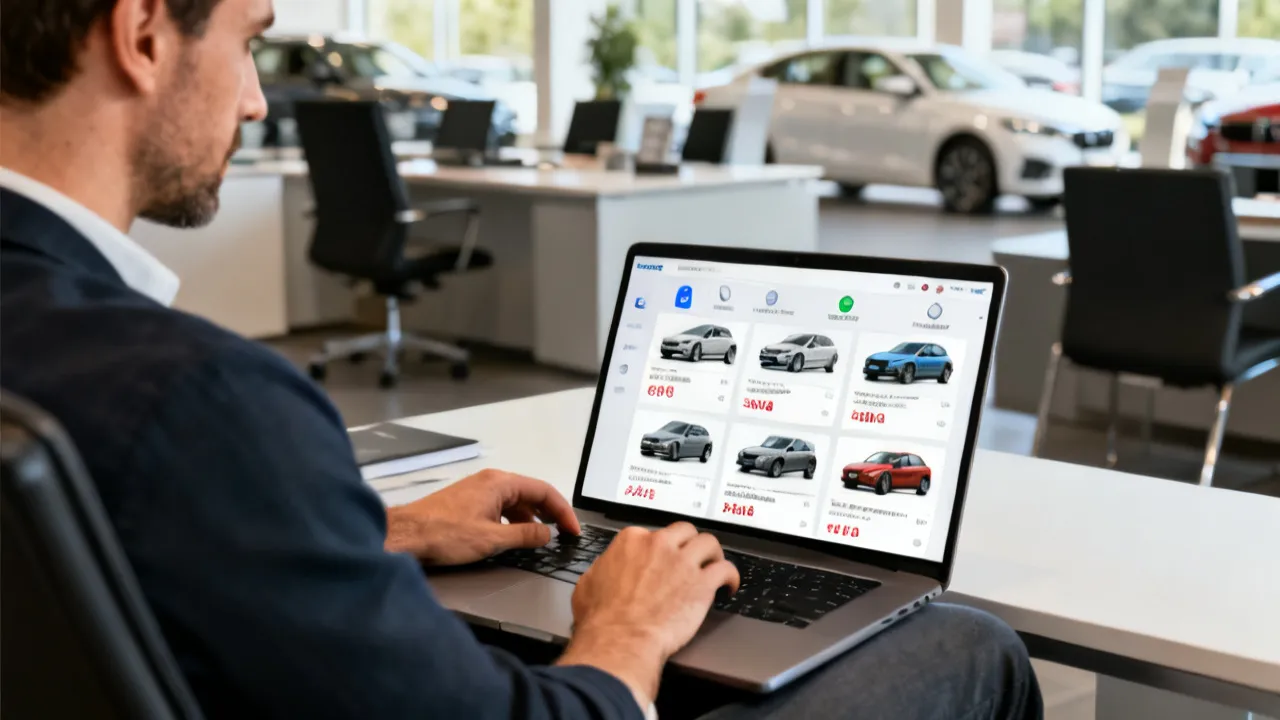
Avoid settling for the first car you find. Compare prices from various sellers, including dealerships, private sellers, and online platforms. This will help you gauge the fair market value and find the best deal.
Inspecting the Used Car’s Condition
Perform an Initial Inspection
When you find a car that interests you, conduct an initial inspection. Look for:
- Exterior issues: Dents, rust, paint inconsistencies
- Interior wear: Seats, dashboard, and controls
Test Drive the Car
Always take the car for a test drive. Pay attention to:
- Handling and comfort
- Unusual noises
- Performance of brakes, acceleration, and steering
Hire a Professional Mechanic
Consider hiring a professional mechanic to inspect the car. They can identify potential issues that you might overlook, providing you with a clearer picture of the car’s overall condition.
Checking the Car’s History
Obtain a Vehicle History Report
Get a vehicle history report from services like Carfax or AutoCheck. This report will reveal crucial information, including:
- Past accidents
- Ownership history
- Title issues
Verify the VIN
Ensure that the Vehicle Identification Number (VIN) on the car matches the one on the vehicle history report and the paperwork. This step helps you avoid potential scams.
Negotiating the Top Price
Know the Market Value
With your research in hand, you should have a solid understanding of the car’s fair market value. Use this information to negotiate a reasonable price with the seller.
Be Prepared to Walk Away
Don’t hesitate to walk away if the price is too high or if the seller is unwilling to negotiate. There are plenty of used cars available, and you should not settle for a bad deal.
Finalizing the Purchase
Review the Paperwork
Once you agree on a price, carefully review all paperwork. Ensure the title is clear and understand what’s included in the sale, such as warranties or additional fees.
Payment and Documentation
Arrange for payment and collect all relevant documentation, including:
- Bill of sale
- Title transfer
- Maintenance records
Register the Car
Finally, ensure you register the car in your name with the local DMV and update your insurance policy accordingly.
Maintaining Your Used Car
Follow a Maintenance Schedule
After your purchase, adhere to a regular maintenance schedule. This includes:
- Oil changes
- Tire rotations
- Routine services
Keep Records
Maintain detailed records of all service and maintenance work. This documentation can help with future resale and ensures you stay on top of necessary repairs.
Address Issues Promptly
Don’t ignore small problems, as they can escalate into costly repairs. Address issues as soon as they arise to keep your car running smoothly.
Conclusion
Buying a used car on a budget while ensuring it is in good condition requires thorough research, careful inspection, and informed decision-making. By following these steps, you can find a reliable car that fits your financial constraints and meets your needs.