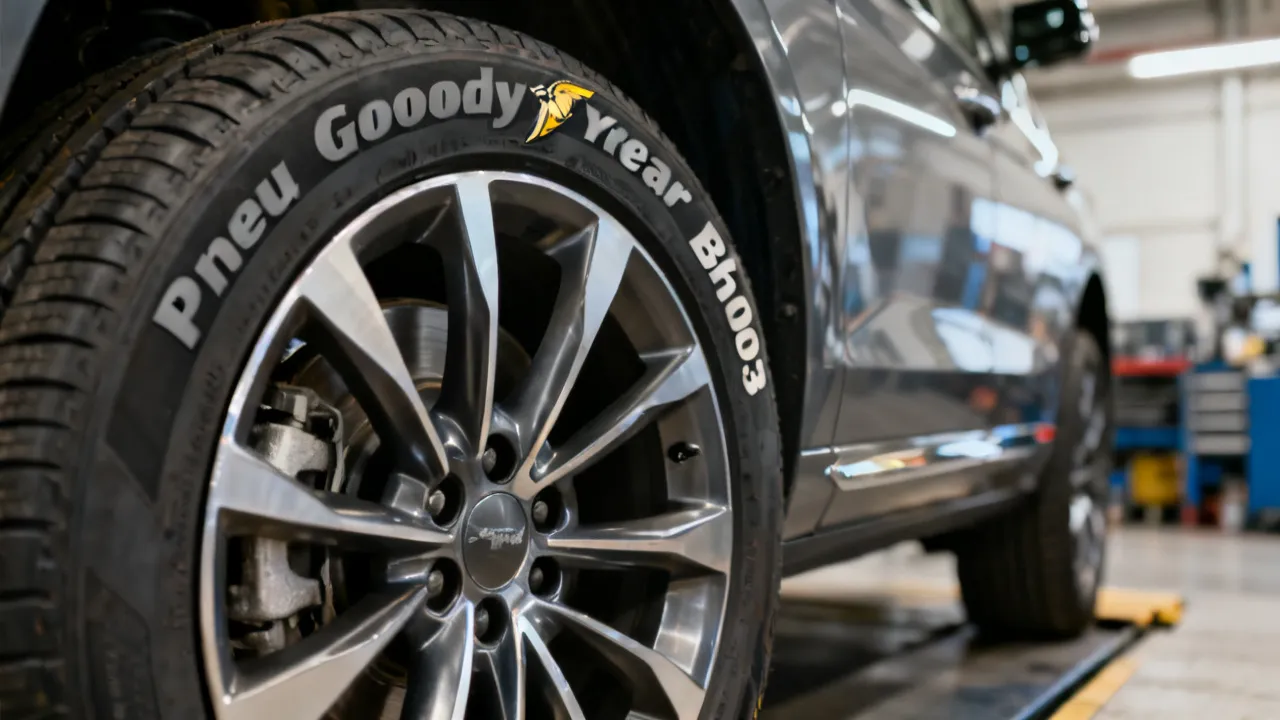
A Professional Guide to Pneu Goodyear Bh03
This guide explains how to evaluate Pneu Goodyear Bh03 tires for everyday safety, comfort, and good reliability. Objectively, it reviews what “BH03” typically implies in a tire lineup, how tire construction affects grip and wear, and which inspection points matter before purchase. It also outlines practical buying conditions and FAQs from an industry perspective.
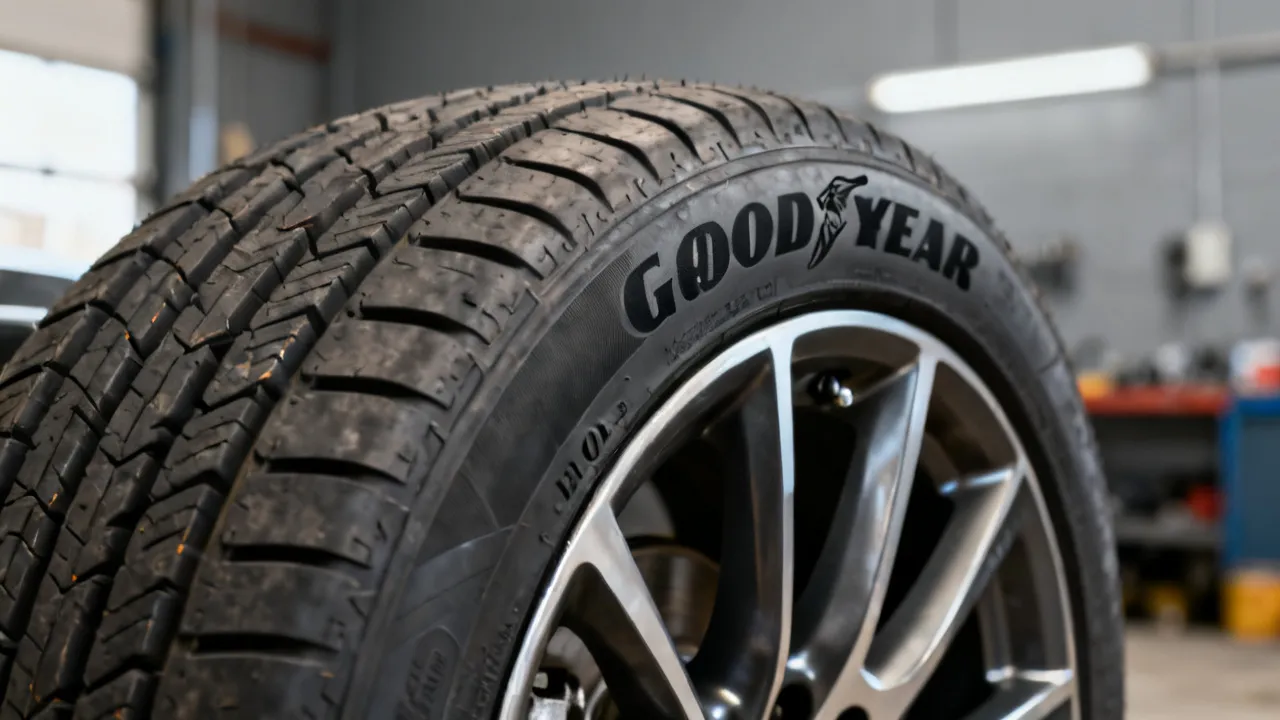
Key buying guidance for Pneu Goodyear Bh03
If you’re considering Pneu Goodyear Bh03, start with one goal: match the tire to your vehicle’s requirements and your actual driving conditions. The very important decision drivers are correct sizing, load/speed ratings, tread pattern suitability for your climate, and verified supply from a reputable source. In a market where many tires look similar at a distance, these checks prevent mismatched performance—especially for braking stability, wet grip confidence, and predictable wear.
Many buyers approach tires like they’re choosing between “brands” or “model names.” In reality, what keeps you safe is whether the tire you buy is the correct one for your vehicle’s mechanical and electrical tolerances (the mechanical part matters most), and whether it’s used within its designed limits. Tires are engineered systems. A mismatch in size or rating can create symptoms you may not immediately connect to the tire itself—delayed braking response, steering vagueness, early tread cupping, unusual vibration, or reduced hydroplaning resistance. Even if the tire “fits” physically, the correct specification matters because the tire’s internal structure and compound chemistry are built around those specifications.
What “BH03” typically represents in tire selection
Within tire catalogs, short model codes like BH03 generally identify a specific tread design and construction package associated with a tire’s intended use case. While exact meaning can vary by region and catalog, the professional way to treat the code is as a “spec identifier” rather than a performance promise by itself. Your practical evaluation should therefore anchor on measurable attributes:
- Approved fitment for your rim diameter and vehicle specification.
- Tread compound and pattern relevant to your road surfaces (asphalt, mixed urban roads, occasional gravel).
- Construction type (e.g., sidewall stiffness characteristics) that influences handling feel and ride comfort.
- Load index and speed rating as printed on the tire sidewall.
From an industry standpoint, codes like BH03 are very valuable when cross-referenced against the tire’s sidewall markings and your driving profile. Think of “BH03” as the name of a package. But the sidewall tells you the legally important truths—size, rating, and the exact tire identity that must match your vehicle’s requirements. If you ever find a BH03 listing where the seller cannot confirm the sidewall ratings or provide clear product information, treat it as a red flag, because you want traceability and consistency.
Also consider that many tire sellers use shorthand or partial names in listings. Sometimes what a consumer sees as one product code may correspond to multiple variants (different markets, different production waves, or different tread revisions). This is why you should always compare the full sidewall size and ratings and not rely on the code alone.
Performance priorities: wet control, braking stability, and wear consistency
Tire performance is a system outcome—tread pattern, rubber chemistry, internal structure, inflation behavior, and vehicle alignment all interact. When professionals talk about the feel of a tire, they often summarize it into three practical outcomes:
- Predictable wet traction (ability to channel water effectively and maintain lateral grip).
- Stable braking and reduced grip fade under normal commuting demands.
- Even wear that supports longer usable tread life.
For a model such as Pneu Goodyear Bh03, you should treat tread depth, void ratio, and pattern geometry as signals of how the tire may handle water and debris. Still, the very reliable “real world” predictor is how the tire performs within the correct size and pressure range specified for your vehicle.
Wet traction is especially important for many regions, not because you drive in constant rain, but because wet conditions often arrive unpredictably—after a dry spell, the first rain can mix oil film with water and reduce friction dramatically. Tread design helps manage water, but correct pressure and tire age matter too. Tires with low tread depth have less channeling capacity, which can lead to longer stopping distances and greater risk of hydroplaning at moderate speeds. That means if you’re buying Pneu Goodyear Bh03 for wet control, you should prioritize a tire that is (1) correctly sized and (2) installed and maintained properly so the tire can perform as intended.
Braking stability also depends on compound temperature and pressure. A tire running underinflated builds more heat and flexes more, which can contribute to faster wear and reduced braking confidence. Overinflation reduces the tire’s ability to conform to the road and can also reduce contact patch effectiveness under braking and cornering, increasing the risk of uneven wear and reduced traction when roads are imperfect.
Wear consistency is often what separates a “good tire for the first month” from a tire that stays good. Alignment issues, suspension wear, and tire pressure drift can create uneven wear. Even if Pneu Goodyear Bh03 is designed for a smooth, even wear pattern, your vehicle’s alignment and rotation schedule will decide whether you realize the benefit.
How to evaluate the right Pneu Goodyear Bh03 for your vehicle
Many purchase mistakes come from selecting a tire that “alvery fits.” Professionals avoid that risk by using an exact-fit method:
- Verify the tire size against your vehicle manual or the door-jamb label (e.g., width/aspect ratio/rim diameter format).
- Confirm load index and speed rating meet or exceed the vehicle’s requirements.
- Check the DOT/production date on the sidewall to assess freshness, especially if stored good.
- Inspect for damage (sidewall cuts, bulges, embedded objects, uneven tread wear if previously mounted).
Because you’re choosing Pneu Goodyear Bh03, these steps are still applicable even if the model is widely available—fitment and condition govern performance more than brand reputation alone.
When verifying size, pay attention not only to the exact format (for example, 205/55R16-like style) but also to the letter markings that may indicate additional constraints. Some tires are intended for specific vehicle classes or wheel widths. If the tire is available in multiple widths or aspect ratios under the same code name, you must select the one your vehicle requires.
Also look at the tire’s sidewall information carefully. Tires often display load and speed ratings, and sometimes additional load range or construction notes. In some markets, sellers use simplified descriptions like “standard passenger” or “touring.” Those descriptions can be marketing-friendly but not sufficiently precise. The sidewall is the reference you should treat as the final authority.
Production date matters because rubber compounds are engineered to perform within certain aging expectations. Tires can remain stable for a while, but over time, rubber hardens and traction characteristics change—especially on wet surfaces. You can’t always prevent aging, but you can avoid unnecessary aging by purchasing fresh stock. If you’re comparing two offers with similar total price, fresh production typically deserves preference, provided the tire is stored properly and not damaged.
Finally, inspect the tire before installation. Even if everything looks fine at purchase, shipping can cause sidewall scuffs, embedded debris, or impacts. A quick visual inspection can save you from discovering a problem after mounting.
Price considerations: what you should look for (and what to avoid)
The phrase “price information” matters because tires often vary by size, intended use, seasonal availability, and retailer terms. Without verified numbers, the responsible approach is to structure your evaluation around total cost:
- Unit tire price for the exact size of Pneu Goodyear Bh03.
- Fitting and balancing fees (these are frequently separate).
- Valve and installation materials (where applicable).
- Warranty terms and whether they require documentation and correct installation.
A professional purchase strategy compares offers on a like-for-like basis. If one supplier’s Pneu Goodyear Bh03 price looks far lower than others for the same size and rating, investigate whether the tires come from a different market variant, have older production stock, or carry different warranty terms.
It can also be worth checking whether the “low price” offer includes nitrogen filling, road hazard coverage, or special alignment guarantees. Those extras don’t automatically make a high-price offer better, but they can explain differences in total cost. What matters is that the tire you get is identical in sidewall specification and that the warranty will be honored for your use case and installation quality.
Many buyers forget that tire pricing is not only the sticker price. You may also pay for:
- New valve stems if recommended by the installer.
- Disposal fees for old tires.
- Wheel cleaning or surface prep if corrosion or heavy brake dust buildup affects balancing.
- Alignment check if you suspect uneven wear or steering changes.
So when comparing Pneu Goodyear Bh03 offers, request a complete quote. A quote that looks cheap but later adds mounting, balancing, and “hidden” charges can end up costing more than a higher-priced offer that includes everything.
Be cautious about pricing that seems too good to be true. In some cases, it may reflect:
- older production date with reduced traction longevity expectations,
- an imported variant not intended for your region,
- tires stored improperly or with unknown warehouse conditions, or
- insufficient warranty documentation.
None of those automatically make the tire unsafe, but they shift risk onto you. A tire is a safety component; you generally want risk minimized through transparent supply and documented warranty.
Supplier evaluation: choosing a trustworthy source
When buying Pneu Goodyear Bh03, the supplier’s role is not only logistical—it directly affects your likelihood of receiving correctly matched tires with proper paperwork. Consider:
- Clear labeling of size, load index, speed rating, and production date.
- Proof of purchase and warranty documentation.
- Installation capability and balancing quality.
- Customer support for fitment questions.
If your region uses local expressions around “reliability,” you can think of supplier trust as similar to a mechanic’s reputation: it reduces friction and protects you from avoidable issues after mounting.
A reliable supplier should be able to confirm, at minimum:
- exact sidewall size, load index, and speed rating for the tire you are ordering,
- the tire’s DOT or production date information (or at least the production batch details),
- the availability of the correct number of tires and whether they are a matched set,
- whether the tires are new (not previously mounted) and whether they meet brand standards for resale.
Also evaluate how the supplier responds to questions. If a customer asks for confirmation of sidewall details and the supplier responds with vague marketing lines rather than specific product information, you should be cautious. Tires should not be purchased under uncertainty, because the sidewall specifications and warranty terms matter.
One practical strategy is to ask the supplier to provide a photo of the tire sidewall markings for the exact stock you will receive. Many reputable stores can do that, especially if the tires are stored in a way that allows quick verification. This reduces the chance you get a different variant than expected.
City and regional driving nuances (nearby)
Since location placeholders are unspecified, the guidance here applies broadly to driving typical of “nearby” areas—mixed urban traffic, frequent braking, and variable road conditions. In these environments, tires must cope with:
- Stop-and-go heat cycles that affect pressure stability and tread wear.
- Frequent wet patches from drainage patterns and intermittent rain.
- Road surface variation such as patched asphalt and uneven seams.
For commuters, a tire like Pneu Goodyear Bh03 should be evaluated not only for maximum grip, but for how consistently it delivers grip across routine conditions and how calmly it behaves under everyday maneuvering.
In many city contexts, one underrated factor is curb contact and road debris. Urban roads expose tires to sidewall scuffs, puncture risks, and impacts from potholes or hidden speed bumps. While the tread design influences traction, the sidewall strength and impact tolerance influence the tire’s ability to survive real urban hazards. That means you should inspect the tire after installation and periodically thereafter, especially if you regularly park tight to curbs or drive through pothole-prone areas.
Another city nuance is traffic-induced temperature cycling. Tires heat up under load and cool down when driving slows, which can cause pressure changes. If you check pressure infrequently, you might unknowingly run underinflated or overinflated relative to optimal conditions. This can shorten tread life and affect wet grip. A good tire can’t fully compensate for chronic pressure neglect.
For wet grip, city drivers often experience frequent braking in rain at lower speeds where water can be thicker due to lane markings and drainage. Tires that channel water effectively help maintain contact patch performance. However, if tire tread depth is low due to wear from misalignment or underinflation, water evacuation capacity decreases. This is why wear consistency and pressure discipline remain central to “wet confidence.”
Installation and maintenance: where tire performance is won or lost
Even a well-chosen tire can underperform if installation and maintenance are neglected. Industry practice emphasizes:
- Correct tire pressure (set to the vehicle specification, checked when tires are cool).
- Wheel alignment checks if you notice steering pull, irregular wear, or vibration.
- Rotation schedule aligned with your vehicle and axle arrangement (directional tires require attention).
- Brake and suspension health (worn components can create uneven tread wear that no brand can fully offset).
For top outcomes with Pneu Goodyear Bh03, treat maintenance as a “performance amplifier.” Small discipline in pressure and alignment often yields bigger benefits than switching between tire models.
Installation quality is often misunderstood. Mounting and balancing aren’t just about making the car feel smooth. They directly influence tread wear and traction consistency. If a tire is mounted incorrectly (incorrect directional orientation, wrong bead seating, or insufficient cleaning of wheel contact surfaces), the tire can exhibit uneven wear or vibrations that increase wear and reduce confidence.
Balancing also matters. Modern tires can be sensitive to imbalance, especially at higher highway speeds. If you feel vibration at a certain speed range after installation, it can indicate imbalance, improper seating, wheel damage, or even an issue with suspension components. Address vibration quickly, because continued driving can worsen alignment and tread wear patterns.
Rotation is another crucial maintenance tool. Many drivers wait until tread is obviously uneven, but by then it’s harder to correct. A rotation schedule—tailored to whether your tires are directional or non-directional and whether your vehicle is front-wheel drive, rear-wheel drive, or all-wheel drive—spreads wear across the tire set. That can preserve wet grip performance longer because tread depth remains more uniform.
Alignment checks should be performed not only when you suspect a problem, but also as a preventive measure after events like hitting potholes hard, experiencing a major curb impact, or installing new suspension components. Alignment issues often show up as uneven wear: for example, edge wear on one side indicates toe misalignment, while diagonal patterns can suggest camber problems. A new tire can still wear quickly if alignment is off.
Finally, pay attention to brake health. Worn brake components can cause dragging or uneven braking forces, leading to uneven tread wear. If you notice one tire wearing faster than others despite a correct rotation schedule, inspect braking and suspension as part of the troubleshooting process.
Comparison table: decision framework for Pneu Goodyear Bh03
Below is a structured comparison of what to verify before purchasing and after installation. It is designed to keep your choice evidence-based and aligned with vehicle safety requirements.
| Decision Area | What to Check | Why It Matters | Practical Outcome |
|---|---|---|---|
| Fitment | Exact tire size and wheel rim diameter; confirm compatibility for BH03 | Prevents rubbing, uneven wear, and handling instability | Reliable road contact and predictable steering feel |
| Load & Speed | Sidewall load index and speed rating meet/exceed vehicle label | Protects structural integrity under normal loads and speed profiles | Consistent durability and safer operation |
| Tread Suitability | Tread pattern characteristics for wet and mixed road surfaces | Influences water evacuation and lateral grip | More confident wet braking and cornering |
| Freshness | Verify production date code on the tire sidewall | Minimizes risk of excessive aging effects from long storage | More consistent traction characteristics from the start |
| Supplier Reliability | Clear product documentation and warranty terms for Pneu Goodyear Bh03 | Reduces post-purchase disputes and supports warranty validity | Lower friction in returns, claims, and support |
| Installation Quality | Professional mounting, balancing, and valve integrity checks | Prevents vibration and helps achieve even wear | Smoother drive and longer uniform tread life |
| Maintenance | Pressure checks, rotation schedule, and alignment monitoring | Corrects wear triggers early | Better longevity and predictable performance |
What to scrutinize on the tire sidewall (so you don’t miss key details)
When you buy Pneu Goodyear Bh03, the sidewall can look busy, but the details matter. The most important items to scrutinize are typically:
- Full tire size: width, aspect ratio, and rim diameter.
- Load index: the maximum load per tire at the specified conditions.
- Speed rating: the maximum speed capability under load/conditions.
- Construction type if present (e.g., radial indicators).
- DOT code / production date: helpful for assessing freshness.
Some buyers focus heavily on the tread pattern photos but fail to check sidewall consistency. A tread pattern that looks appropriate can still fail on your vehicle if the tire size or ratings do not match. That’s why sidewall verification should be non-negotiable, especially if you’re ordering online.
Also confirm whether the vehicle needs specific requirements beyond size and load rating. For certain vehicles and markets, tires must match regulatory or manufacturer-specific standards. Even when the tire fits physically, using the wrong spec can affect load carrying, comfort, and safety margins.
How to estimate tire suitability for different road surfaces
Even without lab tests, you can make a practical suitability assessment based on how you drive. For example:
- If your roads are mostly smooth asphalt with occasional rain, you can prioritize wet handling and comfort while still ensuring wear consistency.
- If your area has frequent patched asphalt, seams, and potholes, you might care more about ride stability and sidewall robustness because impacts can affect balance and alignment.
- If you encounter light gravel or construction areas, look for a tread design that can handle debris and maintain traction when the surface is loose or uneven—while understanding that tires marketed primarily for asphalt may not perform like true off-road tires.
With Pneu Goodyear Bh03, the key is to verify that the product’s tread design is intended for your mix. Many consumer tires are engineered for passenger-road durability and wet traction. If your driving is heavier on loose surfaces, you should verify that the tire’s design won’t excessively compromise traction or tread life on those surfaces.
Debris and water are often combined problems. Urban roads have both: broken aggregate, construction dust, and puddled water. A tread pattern that evacuates water effectively can also help reduce the “slick feel” when debris is present. But again, correct inflation and adequate tread depth are essential. Even the best tread design cannot compensate for near-worn tread.
Seasonality: choosing the right strategy for wet months vs dry months
Many tires are marketed as all-season. If you are in a climate with significant winter conditions, you should still consider whether an all-season tire will meet your safety needs. While the exact suitability depends on your region, the general principle is:
- In mild winters, an all-season tire may be adequate if tread depth remains healthy and roads are mostly clear.
- In cold and snowy conditions, specialized winter tires often provide a more reliable friction profile when temperatures drop and traction is limited.
If your use is mostly “nearby” city commuting with moderate weather variability, Pneu Goodyear Bh03 may fit well. But if you regularly drive in freezing rain or deep snow, you should consider seasonal tire strategy rather than assuming one tire design can cover all extremes.
Season changes also affect pressure. Cold temperatures lower tire pressure, while hot weather raises it slightly. If you check pressure only once a season, you may be running off-target for weeks at a time. For wet months, proper pressure helps maintain the tire’s contact patch shape, which supports consistent braking and cornering feel.
Noise and comfort: the overlooked parts of “good tire performance”
Performance is not only grip. Comfort and noise matter because they affect how steadily you drive and whether you notice changes in vehicle behavior. A tire that is too noisy or vibrates slightly can be annoying and can distract attention. More importantly, unusual noise can indicate issues like uneven wear, imbalance, or tread defects.
When evaluating Pneu Goodyear Bh03, consider that tread design influences acoustic behavior. As tread blocks and grooves interact with road textures, certain frequencies can create road noise. This varies by vehicle, wheel width, alignment, and surface type. If a new set of tires produces noise you didn’t expect, compare it across speeds and inspect for installation and alignment issues.
Comfort is influenced by tire construction and sidewall behavior. A softer sidewall can improve ride comfort, but might also reduce steering precision if too flexible. A stiffer construction can improve response but may transmit more road impact. Your vehicle’s suspension tuning and your own comfort preference should guide how you interpret “feel.” The best approach is not to chase maximum softness or maximum firmness, but to align the tire’s construction behavior with your daily driving.
Break-in expectations: what “normal early behavior” looks like
When you install Pneu Goodyear Bh03, it’s reasonable to expect some early behavior as the tread fully conforms to the road. While not every tire requires a dramatic break-in period, you should:
- Drive carefully for the first several trips, especially in wet conditions.
- Observe whether the car pulls or vibrates (a sign of installation or alignment issues).
- Recheck pressure after a short period of driving if the tires were set when the tires were not fully at ambient temperature.
If you feel persistent pulling or steering instability after installation, don’t assume it will “settle.” That can be a symptom of misalignment, incorrect tire mounting, or wheel issues. Professional diagnosis is better than waiting, because alignment and wear problems can worsen quickly with continued driving.
How to buy correctly online vs in-store
Where you purchase Pneu Goodyear Bh03 can influence the quality of the information you receive. In-store purchases often allow you to ask questions and verify sidewall markings on the tire physically. Online purchases require more diligence:
- Confirm the exact tire size and ratings match your vehicle requirements.
- Check whether the listing includes DOT/production date information or if they will provide it before shipping.
- Ensure return policies are clear and that returns require documentation and inspection.
- Verify warranty eligibility for your region and for correct installation conditions.
In both cases, the most important practice is to align the tire’s sidewall markings with your vehicle’s needs. The visual tread pattern can help with general expectations, but the sidewall is the final authority.
If you can, keep your proof of purchase and any installation paperwork. Some warranties may require proof that the tire was installed correctly and that pressure checks were performed. Even when warranties aren’t strictly enforced for every claim, having documentation reduces friction if you need support later.
Practical checklist: before you press “buy” for Pneu Goodyear Bh03
Use this checklist to make sure you aren’t missing any key detail. It’s designed to be fast but thorough:
- Vehicle match: tire size exactly matches the door label/manual.
- Load/speed ratings: load index and speed rating meet or exceed vehicle requirements.
- Quantity: confirm whether you are buying four tires, or whether you need a matched set for a specific axle strategy.
- Freshness: check production date information when available.
- Warranty: confirm warranty terms and whether it depends on installation documentation.
- Installation plan: ensure you have a reputable shop that can mount and balance to professional standards.
- Return policy: make sure you can return tires if sidewall information doesn’t match the order.
This step-by-step approach reduces “regret purchases.” Since tires are safety components, a few minutes of verification can prevent weeks of troubleshooting later.
Matching tires to your driving style
Two drivers can buy the same Pneu Goodyear Bh03 and report different satisfaction because they drive differently. Tires experience stress through:
- Braking frequency and braking force distribution (hard braking increases heat generation).
- Cornering style (aggressive cornering stresses the tread and compound).
- Speed habits (high speeds increase heat load).
- Road hazard exposure (potholes and debris affect sidewalls and structural integrity over time).
If you commute with frequent stops and wet crossings, wet grip and wear consistency are paramount. If you drive mostly highways at steady speeds, wear consistency and structural durability may matter more. If you do a mix, prioritize balance. The key is not to assume a tire’s marketing label fits you; instead, evaluate how your driving stress profile matches the tire’s design intent and your maintenance discipline.
How to validate performance after installation
Buying the correct tire is only half the task. After installing Pneu Goodyear Bh03, validate performance with a simple but systematic approach:
- Initial inspection: look for correct tread orientation (if directional), no bulges, and even spacing.
- Noise check: listen for abnormal squeal, roaring, or new vibration.
- Brake test in safe conditions: in a safe, legal area, notice if braking feels stable and consistent on dry and wet surfaces.
- Steering feel: ensure no pulling to one side and no sudden “tramlining” beyond what is typical for your vehicle.
- Pressure tracking: check pressure after a week and compare to the target specification.
If you detect issues—pulling, persistent vibration, rapid pressure loss, or abnormal wear—address them quickly. Many tire problems are actually vehicle setup problems: wheel balance, alignment, suspension play, or brake drag.
Step-by-step guide: buying and validating Pneu Goodyear Bh03
Use this workflow to make the decision methodical—from pre-purchase checks to post-installation verification.
Step 1: Confirm your vehicle’s exact tire specification
Locate the tire size, load index, and speed rating required by the vehicle manufacturer (door label or manual). Compare them to the Pneu Goodyear Bh03 specification in the supplier listing.
Also confirm whether your vehicle requires particular tires for different seasons or whether it has special equipment like tire pressure monitoring systems. TPMS compatibility is not always a concern if you use standard valve stems and maintain correct programming, but it’s still worth ensuring the installer handles TPMS sensors correctly if your vehicle uses them.
Step 2: Assess road and weather conditions “nearby”
Consider how often you encounter rain, puddles, and mixed asphalt. If wet traction is a daily priority, focus on tread pattern characteristics designed for water management rather than only on dry handling feel.
If your area sees heavy rainfall, prioritize tread depth and quality at the time of purchase. If you’re starting with “nearly worn” tires due to old stock, you may lose wet traction reliability faster than you expect. This is one reason freshness can be tied directly to safety.
Step 3: Request transparent details from the supplier
Before checkout, ask for production date visibility and confirmation of load/speed ratings. Professional suppliers can provide clear sidewall and documentation details for BH03.
If possible, ask for the tires to be supplied as a matched set. Matched sets aren’t always mandatory, but they can help reduce variation in tread depth and performance across the axle, especially for wet traction and wear consistency.
Step 4: Compare total cost, not just unit price
Evaluate total outlay: tires, mounting, balancing, and any included service. This is especially important because Pneu Goodyear Bh03 price can vary by size and local retail policies.
When comparing quotes, ask whether the installation includes torque checks for wheel nuts/bolts, cleaning and inspection of wheel seats, and whether they recommend new valve stems. Also ask about post-installation alignment checks if you have any prior evidence of uneven wear.
Step 5: Install correctly and verify balancing
Have tires mounted and balanced by a qualified technician. After installation, inspect for any abnormal vibration, steering pull, or pressure loss.
If you feel vibration at specific speeds, don’t ignore it. An imbalance can often be corrected, but if the vibration persists, it may indicate a deeper issue like suspension wear or wheel damage. Similarly, if steering pull occurs, alignment may need to be adjusted.
Step 6: Maintain pressure and monitor wear
Check pressures at regular intervals, especially after seasonal temperature changes. Rotate tires when recommended and watch for uneven wear patterns that suggest alignment or suspension issues.
Pressure maintenance is not just about safety; it helps preserve the intended contact patch shape. That contact patch is what delivers traction. Underinflation can increase shoulder wear and reduce wet grip, while overinflation can increase center wear and compromise grip on irregular surfaces.
Step 7: Replace when tread and condition require it
Replace tires when tread depth or condition no longer meets legal or safety expectations. Do not rely solely on mileage—inspect tread and sidewalls visually.
Also consider tire age and condition. Sidewall cracking, bulges, or repeated punctures can indicate that the tire’s structural integrity is compromised even if the tread depth seems “okay.” In such cases, replacement may be safer than continued use.
Conditions and requirements
To ensure the safe, correct use of Pneu Goodyear Bh03, the following conditions are typically required in practice (always defer to the tire manufacturer’s manual and your vehicle manufacturer’s guidance):
- Correct tire size and rim compatibility must be maintained.
- Load/speed ratings must meet or exceed vehicle requirements.
- Recommended inflation pressure must be used; do not guess values.
- Proper installation (mounting, balancing, valve integrity) must be performed.
- Regular inspection for damage, abnormal wear, and pressure loss is required.
- Warranty validity may depend on documented installation and maintenance.
It’s worth emphasizing that tires are not interchangeable “in practice” unless the vehicle manufacturer allows it. Some vehicles have specific tolerances for wheel width and tire profile. Even if you can mount a tire, you might introduce handling inconsistency and safety risk.
Industry expert perspective: how tires earn trust over time
From an industry lens, buyers often focus on the purchase moment, but the tire’s “performance story” is written after installation: how it behaves during the first months, how consistently it holds pressure, how evenly it wears, and how it responds when road conditions change. This is where Pneu Goodyear Bh03 should be judged against your real routine.
Three expert observations frequently explain why customers experience differences between tire sets that appear similar on paper:
- Pressure discipline: small under-inflation can increase tread wear and heat build-up.
- Alignment and suspension health: misalignment creates wear patterns that no tread design can fully neutralize.
- Driving style consistency: frequent hard braking and cornering intensify tread and compound stress.
Therefore, when selecting BH03, treat the tire as part of a system. The top tire for you is the one that stays within correct parameters—fitment, inflation, and vehicle condition.
Another important expert note is that customer perception is affected by baseline expectations. If you are replacing older worn tires with a new set, the improvement in braking and wet confidence may feel dramatic. But if you replace tires that are already relatively fresh with a new tire set, differences may be subtle. This matters because it influences how you evaluate satisfaction during early miles.
FAQs about Pneu Goodyear Bh03
1) What does “Pneu Goodyear Bh03” mean?
It refers to a Goodyear tire model identified as BH03. “Pneu” is commonly used in some languages to mean “tire.” To ensure correct selection, rely on the tire’s sidewall markings (size, load index, speed rating) and the supplier’s specification for that exact product.
2) How do I choose the correct size for BH03?
Use the vehicle’s required tire size information from the owner’s manual or door-jamb label. Then verify that the Pneu Goodyear Bh03 listing matches that size exactly and meets the required load/speed ratings.
3) Does price guarantee better performance?
No. Price can reflect size, availability, supplier terms, and production stock freshness. Performance depends on correct fitment and the tire’s design for your road/weather conditions. Always compare like-for-like specifications rather than focusing only on the unit price of BH03.
4) What should I check upon delivery?
Confirm the tire’s sidewall size, load index, speed rating, and production date code. Inspect for visible damage such as cuts or bulges. If anything doesn’t match the purchase specification, address it before installation.
5) How should I maintain tires after installing Pneu Goodyear Bh03?
Follow your vehicle schedule for pressure checks and rotations. Inspect tread and sidewalls regularly. If you notice uneven wear, steering pull, or vibration, arrange an alignment and suspension inspection promptly.
6) Are there special requirements for wet driving?
Wet driving safety relies on tread condition and correct inflation pressure. Replace tires when tread is worn beyond safe limits, and drive with awareness of standing water and reduced visibility. Tire design helps, but it can’t replace safe driving practices.
7) Can I mix BH03 with different tire models?
In many cases, mixing tire types or tread patterns can affect traction consistency. It’s generally safest to fit tires in matched sets (per axle or as recommended by the vehicle and tire guidance). Consult your technician or the vehicle manufacturer if you’re considering mixed fitment.
8) How do I know if my BH03 tires are too old or degraded?
Check the production date on the sidewall (DOT code). Also inspect for sidewall cracking, bulges, and tread wear patterns. Even if tread depth seems acceptable, structural degradation can occur. If you notice visible cracking or a history of impacts or punctures, consult a tire professional for a safety assessment.
9) Why is alignment important even with good tires?
Because alignment controls how the tire contacts the road. If toe and camber are off, the tire scrubs across the surface, which creates uneven wear and can reduce traction in wet braking and cornering. Good tires can’t overcome incorrect alignment for long.
10) What symptoms suggest a tire problem after installation?
Common symptoms include persistent vibration, steering pull, rapid pressure loss, unusual road noise, or uneven wear developing quickly. If symptoms appear soon after installation, it often points to mounting/balancing mistakes or alignment issues that should be corrected promptly.
Conclusion: choosing Pneu Goodyear Bh03 with a safety-first mindset
Pneu Goodyear Bh03 can be a practical option when it is chosen for the correct vehicle fitment and when installation and maintenance are handled with professional discipline. Rather than chasing marketing shorthand, focus on the verifiable essentials: sidewall ratings, correct sizing, supplier documentation, balanced installation, and ongoing pressure and wear monitoring. With that approach, your tire selection becomes grounded in safety and predictable performance—exactly what everyday driving demands.