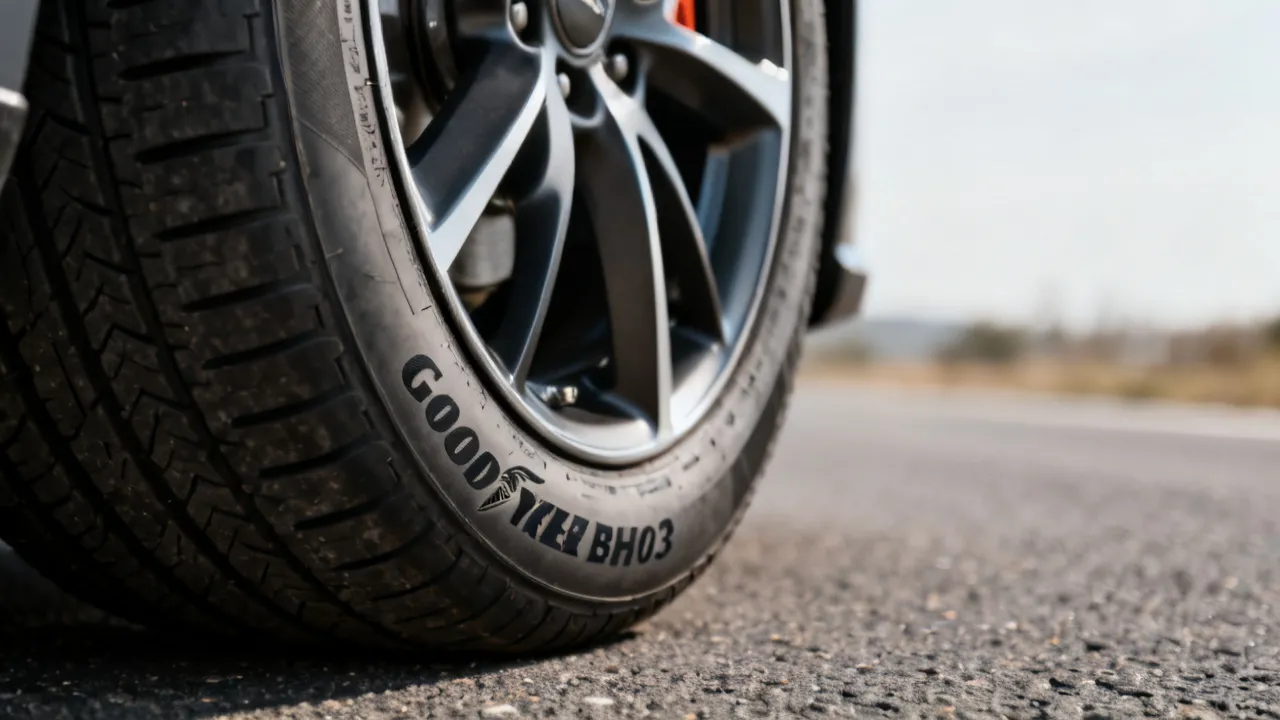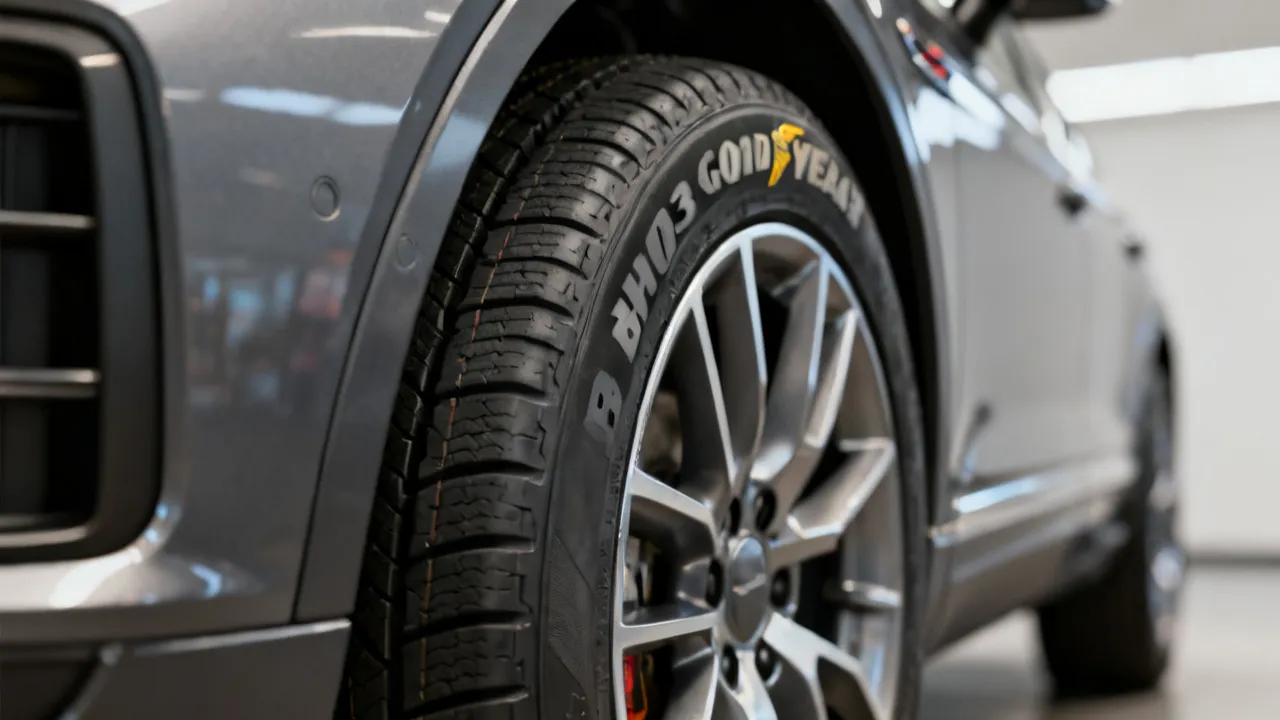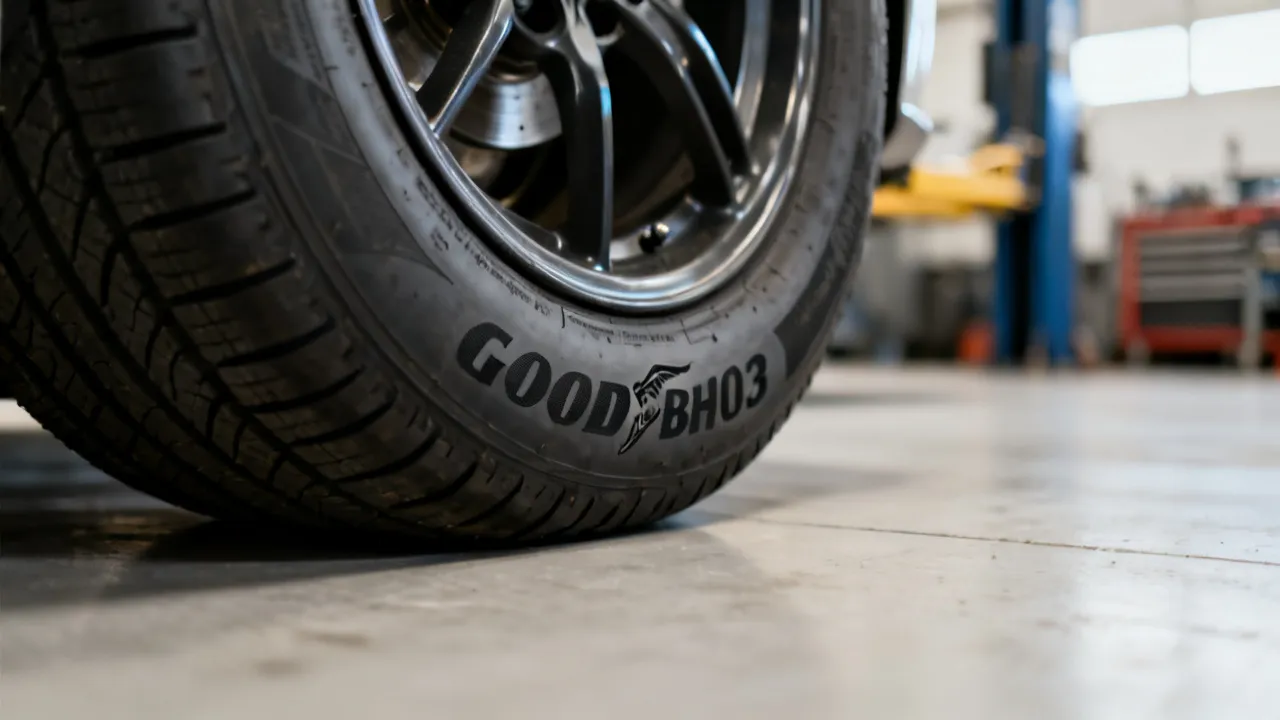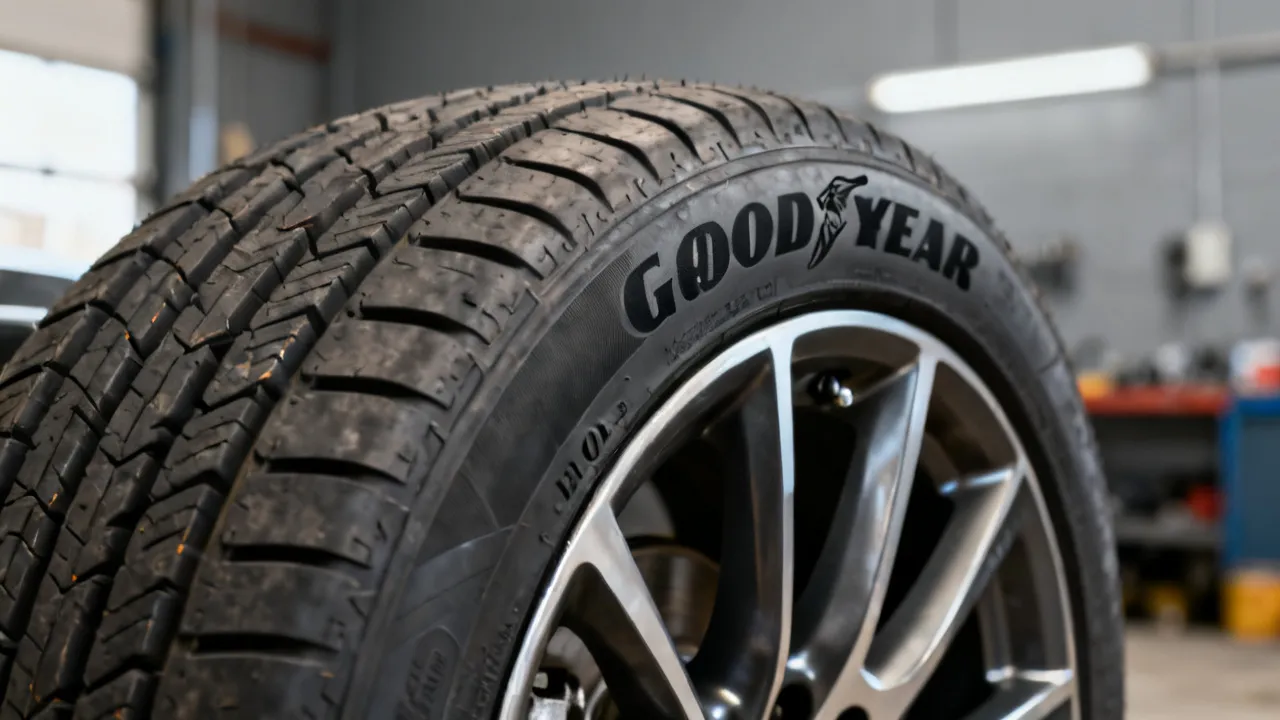
Pneu Goodyear Bh03 Guide for Smart Tire Choice
This guide explains how Pneu Goodyear Bh03 fits real-world needs by focusing on construction, intended use, and selection checks that matter for safety and performance. Objectively, “Pneu” denotes tires in Portuguese contexts, while Goodyear is a major global tire manufacturer. The BH03 model name typically identifies a specific tire line and size family, so buyers must confirm exact dimensions and specifications.
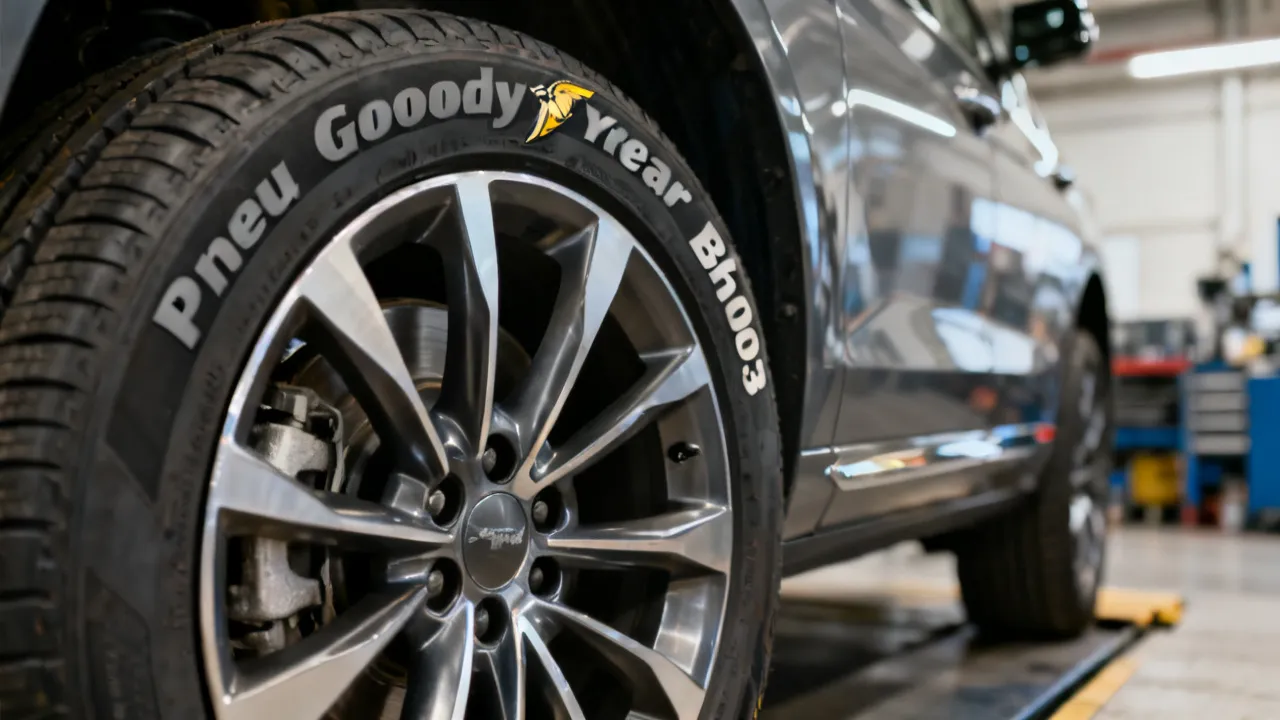
Choosing the Right Tire: What Pneu Goodyear Bh03 Means in Practice
If you are evaluating Pneu Goodyear Bh03 for your vehicle, the most important step is not just confirming the brand and model label—it’s verifying the exact tire size, load index, speed rating, and fitment details before purchase. A tire’s real performance and safety depend on those fundamentals, plus the way the tire is built for the service conditions you face, such as urban stop-and-go, mixed commuting, or longer highway stretches.
From an industry perspective, “BH03” functions as a model identifier within a broader Goodyear product catalog. However, tire naming alone rarely guarantees compatibility. Two people can both search for “BH03” and end up comparing different sizes with different ratings. That difference is often the boundary between a correct, well-matched installation and a setup that performs poorly, wears quickly, or violates vehicle requirements.
In practical terms, buying tires is more like matching components to a system than choosing a single “best” product. Your vehicle’s design—plus your climate, road texture, driving habits, and the condition of your suspension and alignment—determines how well the tire can do its job. When those variables are aligned, a tire model like Pneu Goodyear Bh03 can deliver predictable grip, stable ride comfort, and safe handling. When the variables are not aligned, even a high-quality tire can underperform.
At-a-Glance Decision Priorities for Pneu Goodyear Bh03
To make a dependable decision around Pneu Goodyear Bh03, prioritize the following:
- Vehicle fitment first: Match the tire size shown on your vehicle placard (door jamb or owner’s manual). If your vehicle lists multiple sizes (for different trim levels or wheel options), choose the size that corresponds to your current wheel diameter and configuration.
- Ratings must match: Ensure the load index and speed rating meet or exceed the vehicle manufacturer’s requirements. If you’re unsure which rating applies, defer to the tire information sticker or the owner’s manual spec sheet.
- Condition expectations: Consider whether your driving is predominantly dry, wet, seasonal temperature changes, or mixed conditions. Wet grip, aquaplaning resistance, and compound behavior matter even if your tire size is correct.
- Axle strategy: If replacing only one tire, confirm whether your vehicle and traction system require matched tires across the same axle. Many modern vehicles benefit from consistent tire circumferences and similar tread characteristics, especially if AWD/traction-control strategies depend on predictable wheel behavior.
Even if you find a specific listing for Pneu Goodyear Bh03, treat the purchase as “fitment verification” rather than “brand recognition.” That approach aligns with top practices used by tire professionals and service centers and reduces the chance of costly mistakes like wrong size selection, mismatched ratings, or incorrect tire pairing.
It may also help to think in terms of what you want from the tire during its entire life. Are you optimizing for comfort, wet safety, longer tread life, quieter ride, or winter traction? Model labels rarely capture the full answer, but verified specifications and correct mounting help you get closer to your priorities.
Understanding “Pneu” and the Goodyear BH03 Naming Context
The word pneu is commonly used in Portuguese-speaking contexts to mean “tire.” Meanwhile, Goodyear is a well-established manufacturer of passenger and commercial tires worldwide. A term like “Pneu Goodyear Bh03” typically indicates a Goodyear tire product line associated with the code BH03. In practical terms, that code often helps shoppers identify the tire’s model/variant, but the final authority remains the tire’s stamped sidewall information.
That’s why an objective buyer’s checklist should emphasize the data printed on the tire sidewall and the listing’s spec sheet:
- Tire size (for example, the typical format like width/aspect ratio/rim diameter)
- Load index
- Speed rating
- Treadwear/traction-related markings where applicable by region (these markings may vary depending on local standards)
- Date code and manufacturing location clues (where visible). The manufacturing date can be extremely important if you’re trying to avoid older “shelf-stock” tires.
Also note that what appears as a “model code” in a listing may not always match the full sidewall labeling format. Some markets and e-commerce platforms use internal naming conventions; others display partial product codes. Therefore, you should treat “BH03” as a starting point for searching, not as the final specification.
Another subtlety: the same naming shorthand can sometimes be used in forums or local ads even when the full tire family includes multiple sizes or construction variants. That is why the responsible buyer cross-checks size, load, and speed against the placard.
How Professionals Evaluate Tire Suitability (Beyond the Model Label)
In the tire industry, technicians often say that the tire “works” only when it is matched to the vehicle and to driving patterns. For Pneu Goodyear Bh03, the same principle applies: you should evaluate it as a system with your vehicle, your road surfaces, and your seasonal needs.
Industry professionals generally consider the following engineering and usage factors:
- Tread design and wear pattern: Determines handling behavior, wet traction characteristics, and how quickly the tire approaches its wear limit. The tread block layout also influences road noise and the tire’s ability to shed water.
- Rubber compound and temperature behavior: Influences grip levels across changing ambient temperatures. A compound tuned for warmer climates can behave differently in cold weather compared to one intended for winter-like temperatures.
- Internal construction: Impacts ride comfort, stability, and resistance to uneven wear. For instance, belts and sidewall profiles affect how the tire deflects under load.
- Sidewall stiffness: Affects steering response and how the tire manages impacts and potholes. Too soft can feel vague; too stiff can feel harsh on rough roads.
- Balancing and alignment dependency: Even excellent tires can wear prematurely if alignment is off. A tire that wears “cupped” or “scalloped” often suggests suspension or alignment-related issues rather than a simple tire defect.
Because tire models can exist in multiple variants, two “BH03” tires may feel different depending on size and spec. This is why experienced shops will ask for the exact size rather than relying on the model code alone.
Professionals also pay attention to installation quality and to the “maintenance environment.” For example, underinflation can increase heat build-up and degrade the tread faster. Overinflation can reduce contact patch consistency and amplify irregular wear. Either condition can change how the tire performs in wet braking, cornering, and emergency maneuvers.
In addition, some tires are designed to be more sensitive to wheel balancing or to the condition of the wheel itself. If a wheel has bends, corrosion-related imperfections, or mismatched valve stems, it can cause vibration and reduce the overall benefit of selecting a high-quality tire.
Price Considerations: How to Interpret “Price” Without Getting Misled
When shoppers search for Pneu Goodyear Bh03, price naturally becomes part of the decision. However, professional evaluation treats price as meaningful only after confirming the tire’s exact specifications and condition (including whether it is new or unused stock, and the manufacturing date).
Common “price traps” include:
- Different sizes under the same code: Pricing may not be comparable. The same model label doesn’t guarantee the same production run or size category.
- Different ratings: A cheaper option might carry a lower load index or speed rating. Even if it “fits,” a lower rating can compromise safety margins.
- Packaging and warranty differences: Warranties can vary by channel or region. Some sellers may offer limited coverage while others provide full coverage consistent with manufacturer terms.
- Fitting and disposal costs: Tire price alone may not reflect total installed cost. Older tires and certain wheel conditions can require additional labor, such as balancing weights, valve stem replacements, or corrosion mitigation steps.
To compare Pneu Goodyear Bh03 offers fairly, match:
- The exact tire size
- Load index and speed rating
- Quantity (single tire vs full set)
- Installation package (balancing, valve replacement, and alignment check if needed)
- Regional warranty terms and claim procedure
If a listing includes a “price” figure, treat it as a quotation, then verify the specification details. This method is how many service centers prevent mismatches between customer expectations and tire reality.
It’s also useful to ask how the total price is built. For example, does the quotation include disposal fees, balancing, mounting, and any necessary equipment charges? Are there fees for nitrogen filling or special road hazard coverage? Those details don’t always matter, but they affect the true cost.
Another consideration is the cost of mismatch. If you accidentally buy a tire that is slightly wrong in size or rating, you might lose time, pay for re-mounting, and still not reach the safety target your vehicle requires. A small verification effort before purchase often prevents those larger costs.
Supplier Selection: What to Look for When Buying Pneu Goodyear Bh03
A reliable supplier matters as much as the tire model. When purchasing Pneu Goodyear Bh03, seek vendors that provide clear, specification-based information and professional purchasing support. From an industry viewpoint, good suppliers reduce the risk of incorrect fitment and help ensure that the tire you receive matches the listing.
Evaluate suppliers using these indicators:
- Specification transparency: Tire size, load index, speed rating, and sidewall markings should be clear. If a listing hides these details, treat it as a warning sign.
- New-stock practices: You should be able to confirm the manufacturing date code and freshness. A reputable seller usually won’t be vague about age or storage conditions.
- Installation partnership: Prefer suppliers that recommend or support reputable local fitting services. This matters because professional mounting and balancing protect your investment.
- After-sales support: Warranty guidance, claims process, and documentation quality. Good after-sales support reduces friction if you later discover a defect or if wear warranty requirements are involved.
- Compliance: Terms that align with local regulations for tire quality and safety. For example, documentation requirements might be part of compliance in certain regions.
Even if two suppliers offer the same “Pneu Goodyear Bh03,” differences in catalog accuracy, tire freshness handling, and documentation can affect the customer experience. A supplier that provides accurate spec details also makes your installation verification easier, because the installer can cross-check the provided information against the tire’s sidewall.
Additionally, consider whether the supplier can provide the tire’s full code details, including sidewall markings and any relevant model designations, not just a short “BH03” label. If the supplier can’t help with those details, it’s harder to confirm you’re buying the exact intended product.
Localization Note: Choosing Tires with Local Driving Reality in Mind
In many places, tire choice is shaped by road texture, typical rainfall patterns, and how drivers manage potholes, speed bumps, and variable traffic density. If you drive frequently in mixed conditions—such as changing daylight temperatures or sudden rain—you’ll benefit from selecting tires based on verified wet-grip expectations and durable tread behavior, rather than relying solely on name recognition.
Additionally, local driving habits often influence wear patterns. For example, aggressive cornering, underinflation, and misaligned wheels are common contributors to premature tire wear. Even the top tire model can underperform if these factors are ignored.
Road conditions also influence whether you should prioritize puncture resistance or ride comfort. In cities with cracked asphalt, frequent potholes, and rough surfaces, sidewall protection and impact handling become more relevant. In regions with long highway distances, stability at speed and even wear across the tread matter more.
Weather patterns matter too. Some drivers need tires that remain controllable at cooler temperatures even if they aren’t “winter tires” in the strict sense. Others need performance in recurring rain. The right answer depends on what “normal” looks like for you, and “BH03” alone doesn’t guarantee it.
Comparison Table: Use-Case Fit for Pneu Goodyear Bh03 (Verification-Based)
The table below compares decision criteria—not exaggerated performance claims. It is designed to help you match Pneu Goodyear Bh03 to realistic purchasing requirements.
| What You’re Checking | Why It Matters | What “Good Confirmation” Looks Like for Pneu Goodyear Bh03 |
|---|---|---|
| Tire Size | Determines clearance, fitment, and rolling behavior | Exact size matches your vehicle placard/owner manual |
| Load Index | Relates to safe carrying capacity | Meets or exceeds the vehicle requirement for your axle |
| Speed Rating | Affects structural limits under sustained speeds | Meets or exceeds your vehicle’s required rating |
| Service Conditions | Influences tread and compound suitability | Matches your typical roads (urban, highway, wet frequency) |
| Wheel Compatibility | Ensures correct bead seating and fitment safety | Rim diameter matches the specified size; installation is professional |
| Freshness & Handling | Older stock may show reduced performance characteristics | Date code is recent and storage conditions are documented |
| Installation & Balancing | Reduces vibration and uneven wear | Includes balancing; alignment check recommended if wear is present |
As a practical point, “good confirmation” should be documented. Whether that documentation is a screenshot from a listing, an invoice, or a tire spec sheet, having it helps if you later need to discuss warranty issues or if you must replace a tire due to an installation problem or an early defect.
Source Context and Industry Reliability
When discussing tire selection logic, the guiding principles align with established safety practices and regulatory expectations used across many markets. For background on how tire safety and performance requirements are approached, consult widely used reference frameworks such as:
- UNECE regulations on vehicle equipment, including tire-related safety requirements used in many countries.
- National highway safety guidance that emphasizes matching tire specifications and maintaining proper tire pressure.
- Tire Industry reports published by recognized organizations that focus on road safety, rolling resistance, and wear drivers.
Because tire performance varies by model, size, and region, avoid assuming that a model code like BH03 guarantees a single universal characteristic. Instead, rely on verified spec matching and—where available—official test summaries for the exact tire variant.
Also, remember that real-world performance depends on more than the tire itself: road temperature and tread depth influence grip; driver input and braking behavior influence wear; and tire pressure affects the contact patch. In other words, “reliability” in practice means you can verify correct fitment, maintain it properly, and expect consistent behavior over time.
When a tire listing includes data like load rating, speed rating, and approved use, those should correspond to recognized standards. If a seller provides questionable or incomplete information, consider choosing another supplier who can provide more complete and accurate details.
Step-by-Step Guide: Buying Pneu Goodyear Bh03 Without Regret
Use this step-by-step approach to reduce the chance of mismatch and to make the purchase decision more objective:
- Check your vehicle’s placard/requirements: Confirm the approved tire size, load index, and speed rating. Pay attention to whether your vehicle’s sticker lists more than one option. If you currently have a different size than the placard, identify which one is actually approved for safe operation.
- Identify the exact BH03 variant: When you see Pneu Goodyear Bh03, verify the listing includes the full spec details, not only the model name. Make sure the tire’s sidewall format and the listing’s size fields align.
- Confirm intended usage: Consider your typical climate and road types (dry/wet frequency, urban braking, highway cruising). Think about whether you need better wet handling, quieter ride, or longer tread life, but always prioritize safety spec compliance first.
- Compare like-for-like prices: Ensure the competing options have identical size and ratings; include installation costs in your comparison. If one offer is much cheaper, it may be because it uses a different rating, older stock, or different warranty terms.
- Ask about manufacturing date and storage: Request clarity on tire freshness and packaging condition. Tires are rubber products; storage conditions influence aging. Freshness is especially important if your region has warm temperatures that can accelerate rubber aging over time.
- Arrange professional installation: Proper mounting, balancing, and torque procedures help prevent vibration and uneven wear. Ask the installer to follow the manufacturer’s recommended torque and to check that tires seat correctly on the rim.
- Inspect alignment and pressure baseline: If you previously experienced uneven wear, request an alignment check. Also confirm the baseline pressure used during mounting, since it influences how the tire seats and can influence ride feel immediately after installation.
- Break-in and monitoring: After installation, monitor handling feel and re-check pressure according to the tire/vehicle guidance. Many tires also perform differently as tread conforms to the road surface during the first portion of use.
That workflow is designed to help you avoid a common scenario: buying based on a model label, only to discover during installation that the load rating, speed category, or size does not match your vehicle requirements. Verification before purchase reduces that risk.
It’s also important to keep your invoice and installation record. If a claim is needed or if you need to track wear performance over time, having documentation makes the process smoother.
Conditions and Requirements: When Pneu Goodyear Bh03 Might Not Be the Top Fit
Even with correct brand and model, certain circumstances can limit suitability. Consider these conditions:
- Incorrect size or ratings: If the load index or speed rating is lower than required, do not proceed. “It fits the rim” is not the same as being approved for your vehicle.
- Mixed tire configurations: Vehicles that rely on traction system behavior may require matched tires or careful pairing. Even when your vehicle tolerates different tires, stability and driveline stress may not be ideal.
- Severe alignment issues: If suspension alignment is significantly off, tire wear will accelerate regardless of tire quality. Installing new tires can make a misalignment issue more visible because the tread is fresh and the wear patterns begin to form quickly.
- Inadequate inflation habits: Underinflation or overinflation can change wear patterns and grip consistency. It can also influence fuel efficiency and increase heat generation in the tire.
- Seasonal mismatch: If you experience winter conditions, ensure the tire class is appropriate for your climate regulations and driving needs. If you’re in a region requiring winter-specific legal equipment, verify compliance before relying on an all-season tire’s generic capability.
In addition, if your wheels are damaged or your suspension has worn components (like worn ball joints, tie rods, or shocks), the tire may not get a chance to perform as designed. In many cases, owners focus only on tire brand while the underlying mechanical issues drive the symptoms—vibration, uneven wear, or drifting—seen during driving.
It’s also worth considering that tires have different strengths. One tire might excel in wet braking and steering consistency, while another might focus more on tread life. If your priorities are strongly defined (for instance, maximum wet safety), you might need to compare multiple verified tire options in the same size and rating category to find the best match for your usage pattern.
Expert Notes on Safety, Handling, and Wear Patterns
From an expert standpoint, tire selection is not a single-choice moment; it’s a lifecycle decision. With Pneu Goodyear Bh03, you should plan for:
- Regular pressure checks: A stable pressure routine supports even wear and predictable handling. Because tires heat up during driving, check pressures when tires are cool (as recommended). Consider using a quality pressure gauge.
- Rotation schedule: Rotating tires at recommended intervals can help manage tread wear differences. The correct rotation pattern depends on whether your tires are directional and whether they have been mounted in a certain orientation.
- Visual inspections: Look for cracking, bulges, or unusual tread wear edges that might signal an issue beyond normal wear. Sidewall bulges or cord exposure are critical warning signs and should be addressed immediately.
- Balanced installation: Vibration can be a sign of incorrect mounting, balancing, or a wheel issue that requires attention. If vibration appears after a tire change, don’t ignore it; re-check balance and seating.
These are not brand-specific tricks; they are standard top practices that tire specialists follow to protect investment and maintain safety.
Wear pattern interpretation is especially valuable. Some common scenarios include:
- Center wear only: Often linked to overinflation or high-speed under-load conditions. Overinflation reduces the contact patch size and can reduce traction where you need it most.
- Edge wear (inside or outside): Often linked to alignment problems, camber issues, or improper tire pressures under certain conditions.
- Feathering or tread scuffing: Can indicate worn suspension components or alignment settings affecting toe.
- Cupping (scalloped wear): Often associated with shock absorber wear, suspension imbalance, or dynamic instability.
Even though Pneu Goodyear Bh03 may be a good tire choice, these wear patterns can still occur if the vehicle’s mechanical environment isn’t corrected. A “tire problem” is sometimes actually a “vehicle problem,” and addressing the underlying issue helps the new tires last longer.
Another safety factor is tread depth. As tread depth decreases, wet braking distance generally increases, and the tire’s ability to handle standing water can decline. Therefore, consider replacing tires when they reach legally or practically unsafe tread thresholds in your region, even if they still “feel fine” for dry driving.
FAQs: Pneu Goodyear Bh03
1) What does “Pneu Goodyear Bh03” refer to?
It typically refers to a Goodyear tire product identified by the model/variant code “BH03.” To ensure compatibility, you must confirm the exact tire size, load index, and speed rating from the listing or the tire’s sidewall markings. “BH03” usually helps identify the product line, but the sidewall and approved vehicle spec drive the final decision.
2) How can I confirm the correct tire size for my vehicle?
Check the tire size printed on your vehicle’s placard (often on the driver-side door jamb), or consult the owner’s manual. Match that size precisely when choosing Pneu Goodyear Bh03. If your vehicle has multiple placard options, confirm which wheel size/trim corresponds to your current setup.
3) Does tire model name alone guarantee performance?
No. Tire performance characteristics depend heavily on the exact variant and specification. Two tires with the same model code can differ by size, compound, and construction details, so you should verify the full spec information. Even within the same model family, wet traction and wear behavior can vary depending on the size category.
4) Should I replace all tires at once?
Often, replacing in matched sets across an axle helps maintain consistent handling. However, the correct approach can depend on your vehicle type, axle configuration, and traction system behavior. If you replace only one tire, you may want to replace both tires on the same axle to keep tread depth and rolling behavior as consistent as possible. Ask a qualified tire installer for guidance based on your current tire condition and tread depth differences.
5) How do I compare prices for Pneu Goodyear Bh03?
Compare like-for-like: same tire size, load index, speed rating, and quantity. Also include installation, balancing, and any required service costs, rather than focusing only on the headline tire price. If two offers are close in cost, verify manufacturing date freshness and warranty terms before choosing.
6) What should I check after installation?
Verify proper inflation, ensure there is no abnormal vibration, and monitor initial handling feel. If you notice uneven wear early, persistent steering pull, or road noise that seems abnormal, request an alignment and suspension inspection. Also confirm that the tire is mounted in the correct direction (if the model is directional) and that the valve stems and TPMS sensors (if equipped) function properly.
7) Where can I find trustworthy supplier information?
Choose suppliers that provide transparent specifications, clear documentation, and reasonable after-sales support. A reputable supplier can help confirm fitment details and connect you with professional installation services. Look for sellers who can answer manufacturing date questions and provide invoice-level clarity on what you are buying.
8) Is alignment important even for a new tire like Pneu Goodyear Bh03?
Yes. Even a high-quality tire can wear unevenly if the wheel alignment or suspension condition is off. If you see uneven tread wear on your current tires, request an alignment check before installing new ones. Alignment affects toe, camber, and steering geometry; correcting those helps new tires deliver the expected lifespan and consistent traction.
9) How does tire pressure relate to safety and wear with Pneu Goodyear Bh03?
Tire pressure directly affects contact patch size and shape, which influences braking grip, cornering behavior, fuel efficiency, and wear. Underinflation can increase heat, reduce tread life, and reduce sharpness in steering response. Overinflation can reduce the usable tread area and increase wear in the center while reducing wet traction. Always follow the pressure specification on your vehicle placard and re-check pressure periodically.
10) What about manufacturing date—how old is too old?
While “too old” can vary depending on storage conditions, asking about and documenting the manufacturing date code is a sensible step. Tires stored for long periods may experience aging effects even if tread depth looks new. A good supplier can provide the date code and discuss storage practices, helping you choose fresher stock—especially in climates where heat accelerates rubber aging.
Closing Perspective: Make the Selection Verifiable
When buying Pneu Goodyear Bh03, the most responsible approach is verification-driven. Confirm the tire size, load index, and speed rating against your vehicle’s requirements, compare offers using like-for-like specifications, and choose suppliers that support professional installation. That method protects safety, improves predictability in daily driving, and helps ensure your tire purchase reflects real-world compatibility rather than assumptions based on a model code.
Ultimately, tires are safety-critical components that should be selected with attention to data and fitment. When you treat Pneu Goodyear Bh03 as a product that must be correctly matched—not merely recognized—you align with the same principles used by tire professionals to deliver consistent performance across the tire’s life.
Cover image prompt: A realistic, high-resolution close-up of a Goodyear tire brand “Pneu Goodyear Bh03” on a modern vehicle wheel in an automotive workshop, neutral lighting, shallow depth of field, no people, professional photography style, English text-affordable, 16:9