Pneu Goodyear BH03: Expert Guide and Buying Tips
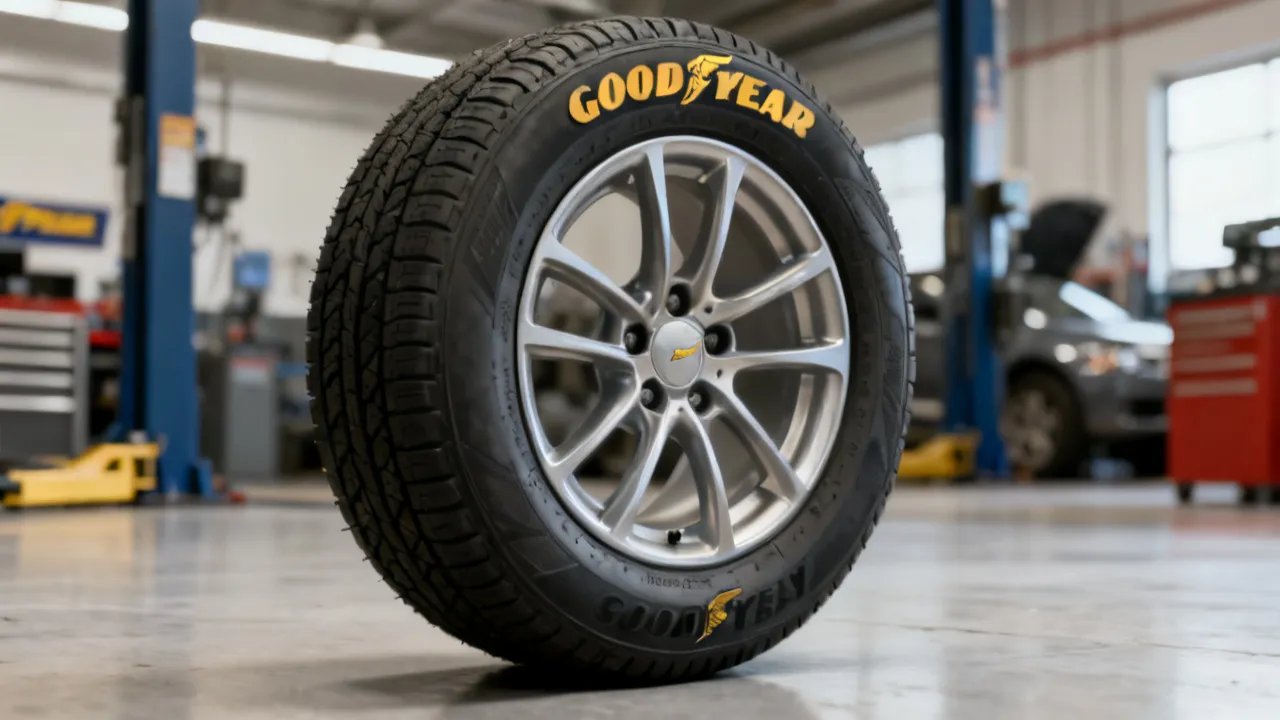
This guide helps you evaluate Pneu Goodyear BH03 with a practical, expert lens—covering construction characteristics, performance considerations, and how to compare offers. Objectively, “BH03” refers to a specific tire model line, while Goodyear is a major global manufacturer. You’ll also find requirements for sizing, usage, and maintenance, plus FAQs to support confident selection.
Start Here: How to Choose Pneu Goodyear BH03 Wisely
If you’re considering Pneu Goodyear Bh03, the very important decision is matching the tire to your vehicle’s required size, your typical road conditions, and your expected service life. An “accurate fit” (correct dimensions, load index, and speed rating) matters more than marketing terms. From an industry standpoint, BH03 should be assessed through tread behavior, durability signals from the carcass design, and how the tire performs across dry, wet, and seasonal temperatures—especially if your local roads often mix urban surfaces with occasional rough patches.
Many buyers approach tire shopping like a simple replacement: “My old tire was Goodyear, so I’ll replace it with Goodyear.” That can be a good starting instinct, but it is rarely enough. Modern vehicles often have strict requirements for tire size and performance ratings, and the wrong selection—especially in load index or speed rating—can compromise braking stability, fuel efficiency, comfort, and overall safety. Even when the tire fits physically on the wheel, a mismatch in ratings or the wrong variant of a model code can create predictable but avoidable problems.
So the “wisely choose” part is not just about finding the cheapest listing for Pneu Goodyear BH03. It’s about building a complete decision from the technical side: verifying fitment, evaluating real-world traction needs (dry and wet), and ensuring you receive fresh stock and correct installation. When you handle these elements systematically, you get tires that behave consistently in the conditions you actually drive in—not the conditions assumed in generic descriptions.
Why the “BH03” Naming Matters (Objective Background)
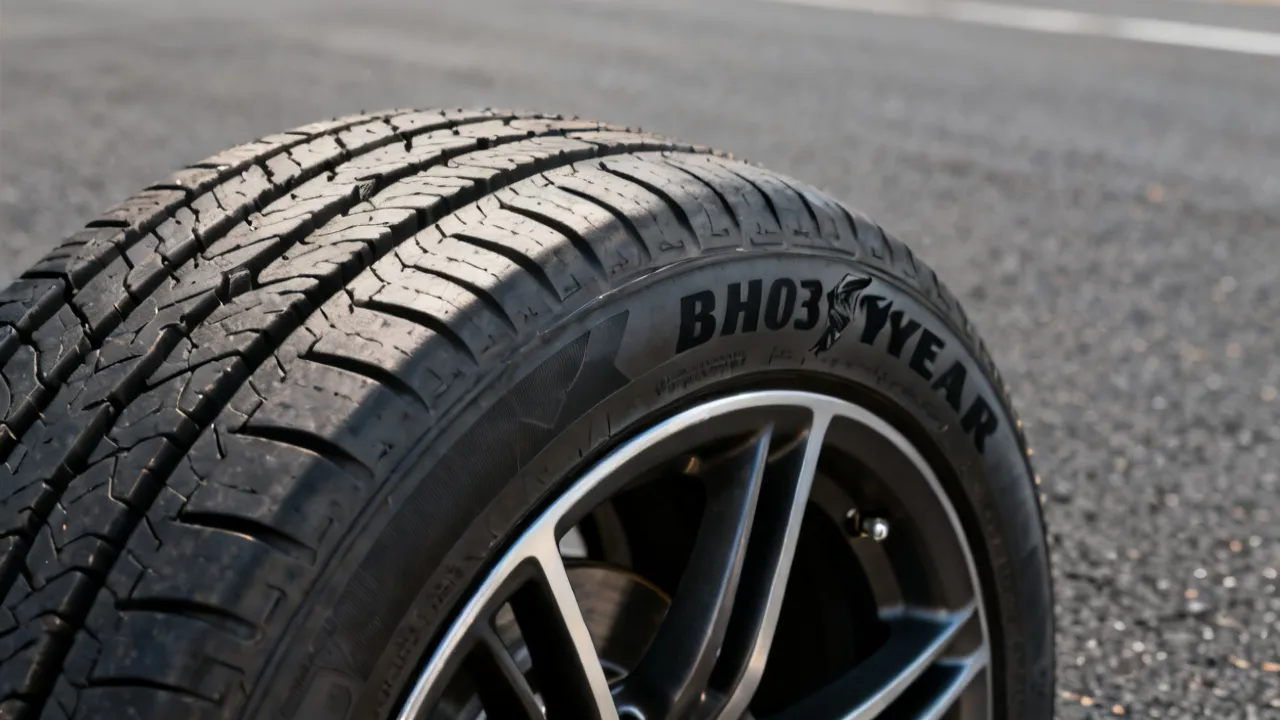
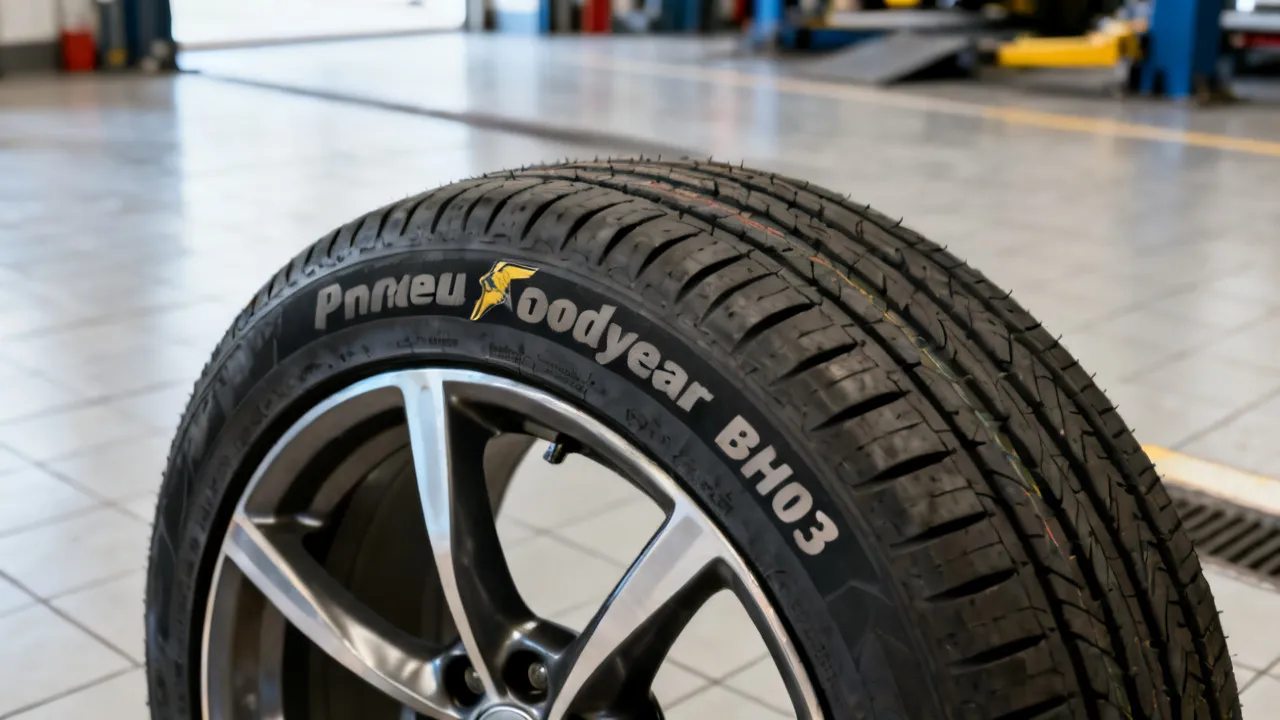
In tire catalogs, model codes such as BH03 typically identify a particular tread/compound family and intended use characteristics. While the exact design intent can vary by region and production run, the code generally functions as a way for distributors and installers to select the correct variant within a brand lineup. For buyers, the practical takeaway is simple: treat BH03 as a model identifier, then verify the official sidewall specifications (size, load index, and speed symbol) to ensure compatibility.
Goodyear, as a global tire brand, produces a wide range of passenger, commercial, and specialty tires. Even within the same “model family” code, performance characteristics can vary by tire size, rim width compatibility, and the targeted vehicle segment. Some tire variants may prioritize comfort and noise reduction; others may prioritize wet grip or longevity. That’s why the BH03 code alone cannot serve as the final truth. The final truth is what is printed on the tire’s sidewall and what the tire documentation specifies for your intended size.
In professional purchasing workflows, brand recognition is only the starting point; the decisive information comes from homologation requirements, tire labeling, and performance tests published by credible test organizations (rather than assumption). When professionals compare tire options, they do not treat “same brand” as “same tire.” They treat “same approved vehicle specification” as the real requirement. That is the objective reason the BH03 naming matters: it helps you locate the right family in a catalog, but the sidewall and approved size determine the safe compatibility.
What to Check First on the Sidewall and Label
Before comparing price, supplier terms, or availability for Pneu Goodyear BH03, confirm the tire matches your vehicle requirements. An installer or fleet manager typically checks:
- Size (e.g., width/aspect/rim diameter as listed by the vehicle manufacturer)
- Load index (minimum load the tire can carry at the rated pressure)
- Speed rating (maximum sustained speed rating under specified conditions)
- DOT/production date to evaluate freshness and storage history
- Intended use category (road use, light truck use, seasonal compatibility where applicable)
From an industry perspective, these items determine whether your tire will be safe and predictable—not the model name alone. Safety is not a vibe; it’s a set of engineering constraints. Load index impacts how the tire supports the vehicle weight. Speed rating relates to how the tire’s materials and internal structure manage heat over time at higher velocities. Together, these ratings govern whether the tire will maintain its geometry under stress and remain stable when braking, cornering, and rolling at operating temperature.
Also pay attention to whether your vehicle requires special markings such as reinforced options (sometimes indicated by “XL” or similar designations depending on region) or other homologation markings. If your vehicle specifies Runflat or other tire systems, you must ensure compatibility. If your vehicle is a standard passenger car, you still want correct category alignment—passenger vs. light truck vs. commercial tire—because those categories have different load structures and performance expectations.
Performance Considerations for Pneu Goodyear BH03
When technicians evaluate a tire like Pneu Goodyear BH03 (and similar model codes), they focus on how the tread design and rubber chemistry translate into measurable driving behavior:
1) Dry handling and braking stability
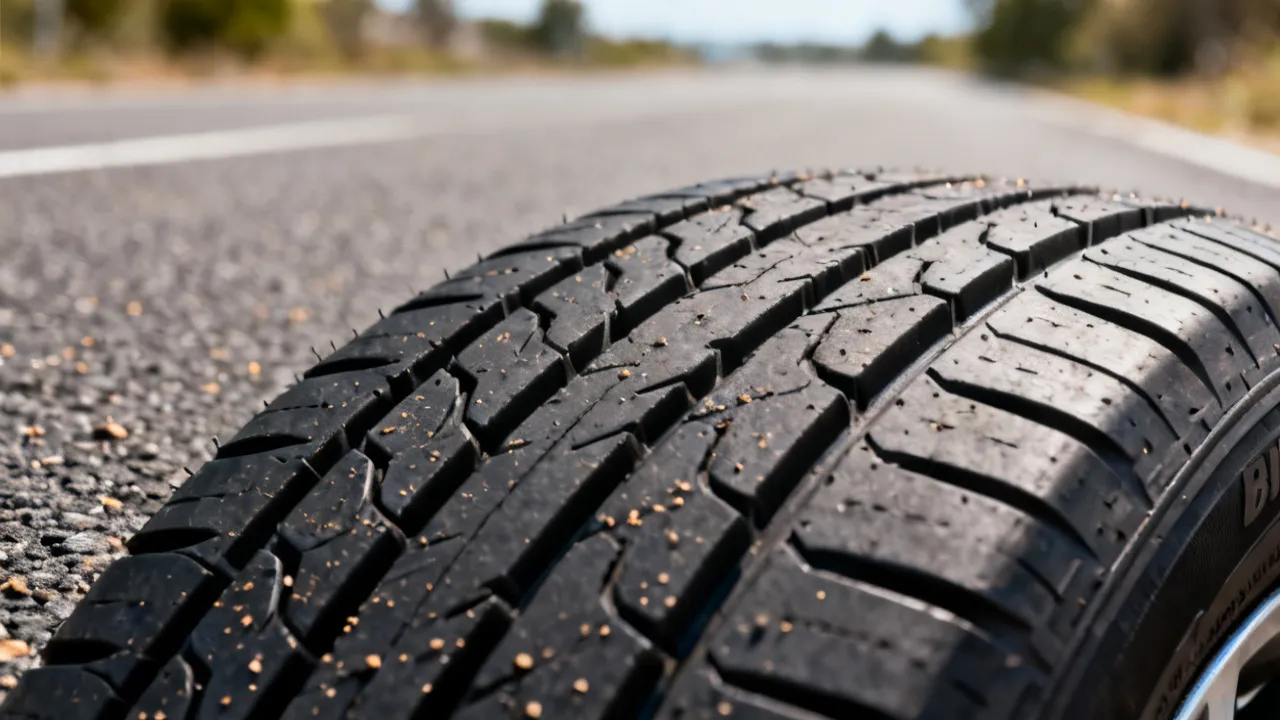
Dry traction is influenced by tread pattern stiffness and compound formulation. In practical terms, you want a tire that offers consistent grip without excessive noise or rapid pattern wear. Under braking, dry performance depends on contact patch stability and how quickly the tire can maintain friction without excessive deformation.
When tires are new, a compound may feel “grippy,” but what matters for everyday driving is whether the grip remains stable as tread blocks wear and as the tire transitions from the early wear phase to mid-life. Some tires exhibit strong initial bite but fade more quickly if compound or tread design doesn’t maintain the friction characteristics over time. If you drive in regions with dry seasons and long stretches of highway, you’ll often appreciate stable dry braking and predictable steering response, because those reduce fatigue and help maintain controlled stopping distances.
In addition, pay attention to steering feel: a tire can be grippy yet still feel vague if the tread blocks are too flexible or if the tire design emphasizes comfort at the cost of sharp response. For many drivers, the sweet spot is a tire that balances road feedback with stable on-center behavior—especially important on vehicles with power steering systems where tire stiffness influences the “feel” of the car.
2) Wet grip and aquaplaning resistance
Wet performance often depends on groove geometry, drainage capacity, and how quickly the tire maintains contact under water film conditions. If your routes frequently include rain or near-flooded road segments, wet handling should be a priority criterion.
Aquaplaning resistance is not only about the presence of grooves—it’s about the ability of the tread to evacuate water fast enough under the speed and load conditions you actually drive. The shape of the grooves, the distribution of void area, and the traction edges across the tread matter. A tire may look similar to another on paper, but small differences in siping, groove depth distribution, and tread block arrangement can create noticeable differences in wet steering and braking.
Wet braking stability deserves special attention. When you brake on wet pavement, the tire must maintain a consistent friction coefficient while the tread channels drain water. If a tire experiences “water pooling” in certain tread regions, the contact patch can become uneven, resulting in longer stopping distances or a sensation of reduced confidence. Drivers often describe this as the brakes feeling less “direct” or the car feeling less composed during emergency stops.
Also consider temperature effects: many tires show their best wet performance at moderate temperatures, but performance may shift in colder or very warm conditions due to compound behavior. If your climate includes cool rainy seasons, you may benefit from a tire variant optimized for wet grip across a wider temperature range.
3) Rolling resistance and efficiency
Rolling resistance affects fuel consumption and greenhouse gas emissions over time, particularly for high-mileage vehicles. Buyers should look for credible labeling and standardized reporting where available (e.g., EU tire label information for passenger tires, or equivalent regulatory schemes in other markets).
Although rolling resistance may not feel like a “driving performance” attribute to many motorists, it influences cost of ownership. Over thousands of kilometers or miles, even small differences in rolling resistance can add up. A tire with slightly higher efficiency can reduce fuel consumption subtly, and that can matter if you drive frequently or run a fleet.
However, the trade-off is real: optimizing for lower rolling resistance can sometimes reduce wet grip if not engineered carefully. Modern tire technology tries to balance these factors, but the balance varies by tire model and compound. That’s why evaluating wet performance and rolling resistance together is more intelligent than focusing on a single metric.
From a practical standpoint, if you’re selecting between two Pneu Goodyear BH03 offerings that are otherwise identical in size and ratings, comparing label grades (if available in your market) is a smart step. It helps you avoid accidentally selecting a version that meets your fitment requirements but has less favorable overall efficiency or wet grip characteristics.
4) Durability and wear pattern behavior
Good tire value is rarely about “who has the longest life claim.” It’s about real wear consistency. Misalignment, incorrect inflation, and suspension issues can cause uneven wear even with premium tires. So, the top “tire lifespan” outcomes usually come from correct fitment and maintenance.
Durability signals are found in the tire’s construction: the carcass stiffness, tread cap durability, and internal reinforcement. While buyers cannot see all internal details, they can infer durability tendencies through consistent wear patterns and appropriate tread depth retention. You can also learn from user experiences, but those should be interpreted carefully because tire life is heavily affected by driving style, road quality, climate, and maintenance practices.
Wear pattern matters. If tires wear center-only, shoulder-only, or in a cupping pattern, the underlying issue is often inflation, alignment, or suspension geometry. A tire designed for longevity can still wear prematurely if the vehicle’s alignment is off or if pressure is neglected.
Therefore, if you are buying Pneu Goodyear BH03 for long-term use, your plan should include an alignment check if you have any of the following symptoms: the car pulls to one side, the steering wheel feels off-center, the vehicle vibrates at certain speeds, or you observe uneven tread wear on existing tires. Even if you don’t see uneven wear yet, checking alignment when replacing tires can prevent the “new tires but worse wear” scenario.
How to Compare Price for Pneu Goodyear BH03 (Without Cutting Corners)
Because the price of Pneu Goodyear BH03 can vary by tire size, local taxes, retailer margins, and stock availability, the very professional way to compare offers is to normalize for the tire specifications. In other words: compare like with like—same size, load index, and speed rating. When you evaluate supplier offers, consider:
- Out-the-door cost (including installation and disposal fees if applicable)
- Warranty terms (conditions for defects versus wear limitations)
- Service inclusions (balancing, valve replacement, recommended alignment checks)
- Return or exchange policy if sizing or compatibility issues occur
- Stock freshness (production date recency and storage conditions)
If you do not yet know the exact tire spec your vehicle requires, the safest route is to ask a qualified installer to confirm the recommended size before making a purchase decision. It’s worth spending time here because errors at the purchasing stage are among the most expensive: you may end up paying restocking fees, losing time, and potentially driving on tires that don’t meet the required load or speed ratings.
Also, evaluate whether a “low price” offer hides shipping costs or limits warranty handling. Some online listings have a low headline price but require installation at a different location or do not include balancing. That’s why the correct comparison is not “per tire cost,” but “total installed cost with warranty support.”
When you compare, also consider whether you need accessories or service add-ons: wheel weights, tire pressure sensors (if your vehicle uses TPMS systems), valve replacements, and any needed disposal or environmental fees. In some markets, these are bundled; in others, they are itemized. A wise buyer verifies the real out-the-door number before committing.
Supplier and Sourcing Considerations: Choosing the Right Channel
Many buyers search for Pneu Goodyear BH03 through local tire shops, regional automotive retailers, or online marketplaces. From a supplier-management viewpoint, the key risk is receiving a tire that is technically correct in brand/model but not in fitment details. Choose a source that can provide clear spec data and document compliance.
When working with distributors and retailers, industry top practice includes:
- Providing the exact tire size, load index, and speed rating options
- Confirming whether installation and balancing are included
- Sharing official labeling details from the product page or packaging
- Providing warranty documentation in writing
This approach reduces compatibility errors and improves the likelihood that the tire performs as intended.
In addition to documentation, consider service reliability. A tire shop that is busy and lacks time might still sell you the correct tires, but the installation quality can vary. If a shop rushes balancing, doesn’t inspect wheel condition, or neglects torque procedures, it can harm ride comfort and accelerate wear. The best “channel” is not just the cheapest seller; it’s the one that reliably connects the correct tire to correct installation standards.
If you are in a region with strong seasonal demand, you may also experience stock turnover. Some online sellers ship quickly; others may use warehouses with mixed freshness. Local shops might have more predictable installation schedules but limited inventory for certain sizes. To choose wisely, ask when the tires were received and whether they can tell you the production week or date before installation.
Step-by-Step Buying Workflow (Expert Method)
The following process reflects how many professionals in automotive retail and fleet procurement reduce risk when selecting tires like Pneu Goodyear BH03.
- Confirm vehicle-approved specifications
Use the vehicle owner’s manual or the door-jamb tire placard information. Match the exact size family the manufacturer approves. - Select the correct load index and speed rating
Do not substitute a lower capability rating. If multiple options are listed, choose the one that aligns with your driving profile. - Check production date
Ask for the production date (DOT date code). Avoid overly old stock if fresher options exist. - Compare total cost, not just the sticker price
Include installation, balancing, and any required services in the price comparison. - Verify warranty conditions
Ensure warranty coverage aligns with how you actually drive (distance, road conditions, typical vehicle load). - Plan for correct installation
Mounting and balancing should follow professional standards. If your tires are replacing worn ones, consider an alignment check to avoid uneven wear. - Confirm inflation and periodic inspection schedule
Maintain pressure at recommended values and inspect tread condition regularly.
To expand this workflow with real-world practicality, consider how you’ll handle the tire after purchase. For instance, if your vehicle uses TPMS sensors, confirm whether the shop will reuse or replace sensors as needed, and whether they’ll verify proper sensor programming after installation. If you ignore these details, you may get warning lights or inaccurate pressure readings, which can lead to incorrect inflation and unintended wear patterns.
Another practical step: after installation, drive conservatively for a short period, especially if the tires are new and you may be learning their feel in wet or cold conditions. While tires are built to be safe, the first days of use allow the road surface to “scrub in” the tread. If the tires are installed with correct pressure and balancing, the ride should feel smooth quickly. If vibration persists, return for re-check because balancing issues can be corrected early.
Comparison Table: BH03 Offer Evaluation Criteria (No Links)
| Evaluation Area | What to Look For | Why It Matters for Pneu Goodyear BH03 |
|---|---|---|
| Specification Match | Correct size, load index, and speed rating | Ensures legal compatibility and predictable handling |
| Installation Quality | Balancing included; recommended torque procedures | Reduces vibration and premature wear |
| Warranty Clarity | Conditions for defects vs. wear; documentation | Protects your investment over the expected service period |
| Stock Freshness | Production date (DOT code) and storage history | Older stock may underperform as compounds age |
| Road-Condition Fit | Assessment of wet vs dry needs; seasonal context | Helps ensure safe traction and braking confidence |
| Total Cost | Out-the-door pricing with service inclusions | Prevents “cheap tire” scenarios with hidden add-ons |
Conditions and Requirements Before Purchase
To reduce risk when buying Pneu Goodyear BH03, consider the following requirements and practical constraints:
- Vehicle compatibility: The tire must match the vehicle manufacturer’s recommended size and ratings.
- Installation prerequisites: Mounting tools and procedures must be appropriate for tire type; balancing is strongly recommended.
- Maintenance commitment: Regular pressure checks and inspection of tread depth and wear pattern are required for expected performance.
- Driving profile alignment: If you drive veryly wet roads or frequently carry heavy loads, your choice should reflect those realities.
- Local regulations: Ensure the selected tire complies with applicable labeling and roadworthiness rules in your market.
To “make it real,” you can treat these requirements as a checklist you complete before paying. For example, write down your vehicle’s exact tire size code and the required load and speed markings. Then compare each Pneu Goodyear BH03 offer and only accept the one that matches those codes exactly.
Also consider legality regarding tread depth and performance categories. Even if a tire is still within its usable life, it must meet minimum tread depth requirements for legal roadworthiness in your jurisdiction. If you buy tires too late in the season, you may not benefit from their full wet-grip capability when you need it most (for example, during winter transitions where wet traction is critical).
Local Context and Sourcing Considerations
If you are shopping “nearby” (for example, through regional installers and tire shops), it’s common in many European and urban markets to expect seasonal tire demand peaks. During those periods, stock can shift quickly, and the top practice is to confirm the exact Pneu Goodyear BH03 spec before arrival. In city environments where stop-and-go driving and pothole incidence may be more frequent, proper inflation and alignment checks can noticeably affect tire wear behavior.
Local roads are not uniform. Even within the same city, some neighborhoods have older asphalt with more texture and potholes, while others have smoother surfaces with fewer sharp impacts. If your daily commute includes uneven pavement, you may benefit from focusing on tread durability and sidewall protection characteristics. While you can’t “see” sidewall reinforcement from a distance, you can ask the shop about the specific variant and whether it is commonly used for mixed road quality or for passenger cars that frequently hit rough patches.
Another local factor is climate variation. Some cities experience frequent temperature swings between day and night, which affects tire pressure. Tire pressure changes with temperature, and if you set the tire pressure “when it’s warm” but drive in colder mornings, your pressure can be below the recommended range. That can lead to faster wear and potentially reduced wet grip. A wise tire approach includes checking pressure in line with the local conditions—especially during cold months.
Because road surfaces and driving habits differ from place to place, local installers often adjust recommendations based on typical weather (rain frequency, winter temperatures) and the state of pavement. This is why an objective technical fit—spec matching plus professional installation—outperforms purely subjective preferences.
Expert Notes: Common Mistakes to Avoid
- Buying by brand name only: Goodyear branding is helpful, but tire size and ratings govern safety.
- Ignoring production date: Tires are not identical over time; freshness can matter.
- Skipping alignment checks: Uneven wear after replacement often traces back to suspension geometry.
- Overlooking pressure maintenance: Incorrect pressure can degrade handling, increase wear, and raise fuel consumption.
- Assuming wet performance from dry impressions: Wet grip depends on tread drainage and compound behavior.
It’s worth elaborating on why these mistakes are so common and how they cause real problems:
Brand-name-only decisions often happen because tire labels and images can feel interchangeable. However, two tires from the same brand can have different tread depths, different compound mixes, or different wet performance priorities. If you don’t verify the size and ratings, you risk installing a tire that does not match your vehicle’s design constraints.
Ignoring production date can matter because rubber compounds change over time due to storage conditions (heat, humidity, sunlight exposure). Even if the tire is new to you, aged stock can sometimes show reduced responsiveness or altered grip characteristics. You don’t necessarily need “the newest possible week every time,” but you should avoid obviously old stock when fresher options exist.
Skipping alignment is one of the highest-cost mistakes because it multiplies the cost of your tire purchase. Tires wear in patterns that reflect vehicle geometry. If alignment is off, the tire you installed will begin wearing unevenly regardless of how good it is. That can also create a safety risk if the wear results in reduced tread depth in critical areas.
Overlooking pressure impacts both safety and durability. Underinflation increases sidewall flex and heat build-up; overinflation reduces contact patch effectiveness and can lead to center wear. Either way, wet traction and braking distances can degrade because the contact patch changes shape. For drivers who commute daily, small pressure deviations can add up over months.
Assuming wet performance from dry impressions is a misconception because wet grip depends heavily on water evacuation and compound behavior under wet conditions. A tire can feel good on dry roads while still being less confidence-inspiring on wet surfaces. If your area has frequent rain, you should prioritize wet performance data and, where possible, feedback that specifically addresses wet braking and wet cornering—not just general grip.
Industry Context: What Credible Sources Consider
For standardized consumer decision-making, many markets rely on regulatory frameworks and labeling programs. In the European context, the EU tire label uses harmonized measurements for fuel efficiency, wet grip, and external rolling noise. These labeling systems are designed to enable comparability across products using standardized testing. For broader tire research and safety information, industry stakeholders often reference publications from recognized organizations such as the European Commission’s consumer tire labeling guidance and testing frameworks used by authorized bodies.
Note: Because Pneu Goodyear BH03 may correspond to different sizes and variants, the exact label grades and measurable outcomes can differ by dimension. Buyers should consult the official label and the tire’s documented specifications for the exact size they plan to purchase.
In practice, if your market provides EU labels (or similar standardized labels), you can use them as part of a structured decision. For example:
- If your priority is wet safety, focus first on the wet grip grade and related information.
- If you prioritize long-term cost and driving volume, consider the fuel efficiency grade.
- If comfort and noise matter for commuting, look at external rolling noise as well.
While standardized labels are helpful, they do not cover every variable, such as hydroplaning performance under different rain intensities or specific track conditions. That’s why professional installers and experienced fleet managers often balance label data with practical feedback and expected driving patterns (urban stop-and-go vs. highway cruising, smooth asphalt vs. rough patches, mild climates vs. harsh winters).
FAQs: Pneu Goodyear BH03
1) What is Pneu Goodyear BH03?
Pneu Goodyear BH03 refers to a specific Goodyear tire model/variant identified by the “BH03” code. The precise fitment depends on the tire size, load index, and speed rating printed on the sidewall and provided in the product listing.
To interpret this correctly, think of BH03 like a “family identifier.” Within that family, multiple sizes and rating configurations may exist. Your vehicle might approve only one particular configuration. Therefore, the safe approach is always: select BH03, then verify the exact sidewall specification for your approved vehicle size.
2) How do I confirm the correct tire size for my vehicle?
Use the tire placard information (often on the driver door jamb) or the vehicle owner’s manual. Match the approved size family and then confirm load index and speed rating are equal to or greater than the manufacturer’s requirements.
As a practical tip, do not rely solely on what you believe your old tires are. Some vehicles have had tire replacements over the years that might not have been ideal. Always use the manufacturer-approved information. If you have doubts, ask an installer to read the placard and cross-check approved sizes.
3) Does the top price guarantee better performance?
No. A lower price may be offset by differences in size availability, installation terms, warranty coverage, or stock freshness. A professional approach compares total cost and technical specifications, then evaluates warranty conditions.
Price can reflect many things that are not performance: shipping distance, inventory turnover, seasonal promotions, or store overhead. Performance should be determined by correct fitment and documented wet/dry characteristics rather than by how premium the label price appears.
4) What should I check regarding warranty?
Look for written warranty conditions covering manufacturing defects and clarify what is excluded (commonly related to improper use, misalignment, or uneven wear caused by vehicle issues). Confirm how claims are processed and what documentation is required.
Also verify whether the warranty is prorated and whether wear conditions are evaluated based on tread depth measurement and inspection standards. If you operate in conditions that accelerate tread wear—rough roads, heavy loads, aggressive driving—you should understand how that affects warranty eligibility.
5) Is alignment and balancing necessary after installing new tires?
Balancing is generally expected for smooth ride quality and even wear. Alignment checks are recommended when replacing worn tires due to uneven wear, or when the vehicle shows signs of pulling, vibration, or steering instability.
Some drivers ask: “If I already bought new premium tires, why worry about alignment?” The answer is that tires can’t correct misalignment; they only reflect it through wear and driving symptoms. Proper alignment helps your new Pneu Goodyear BH03 tires wear evenly and reach their expected service life.
6) How can I maximize the lifespan of Pneu Goodyear BH03?
Maintain correct tire pressure, inspect tread wear regularly, rotate tires according to the vehicle’s recommended schedule (if applicable), and address suspension or alignment problems early. Many durability issues originate from incorrect pressures or vehicle geometry.
Rotation rules vary by vehicle type (front-wheel drive, rear-wheel drive, all-wheel drive systems) and by tire design. If your vehicle requires specific rotation directions (e.g., directional tires), follow the correct pattern. If tires are asymmetrical, ensure the orientation remains correct during rotation.
7) How do I choose between different variants of BH03?
Choose based on the exact size and capability ratings required for your vehicle and intended use. If you drive veryly in wet conditions or carry heavy loads, prioritize verified wet grip and load suitability for your specific dimension.
When choosing between variants, you should treat “same code” as “still check the sidewall.” Confirm whether each variant has different speed rating options or load index options. Then decide based on your driving profile: commuting at moderate temperatures vs. frequent high-speed driving vs. carrying heavy passengers or cargo.
8) Are there seasonal considerations for this tire model?
Seasonal suitability depends on the specific tire variant and whether it is designed for all-season or specific weather performance categories. Always verify the tire’s official markings and your local road-season expectations before purchase.
For example, a tire labeled as all-season typically behaves differently in winter conditions compared to dedicated winter tires. If your area has frequent snow and sub-zero temperatures, you may need seasonal tire strategies. Even if a tire works “barely” in winter, safer performance is achieved with appropriate seasonal tires.
Conclusion: The Professional Way to Buy Pneu Goodyear BH03
Choosing Pneu Goodyear BH03 is very successful when you treat the purchase as a technical match rather than a brand-only decision. Confirm correct specifications, compare total cost and warranty terms, select a reputable supplier, and plan for professional installation plus ongoing maintenance. With that approach, your tire’s real-world performance—dry stability, wet traction, and wear consistency—becomes something you can anticipate, not guess.
Finally, remember that the tire is only one part of the safety equation. The other parts—correct inflation, proper alignment, safe driving habits, and regular inspection—are what turn a good tire into a dependable long-term solution. If you apply the selection process described above, you’ll reduce the likelihood of unpleasant surprises and you’ll make your tire purchase feel as confident and controlled as a professional installation job should.