How to Choose Pneu Goodyear BH03 Tires
Choosing the right Pneu Goodyear Bh03 tire starts with matching load, size, and intended driving conditions to your vehicle and climate. This guide explains what the designation implies, what to verify with the exact sidewall markings, and how to compare supplier options responsibly. Background sections cover tread behavior, wear patterns, and safety considerations.

Key decision first: verify your exact tire size, load index, and use-case
If you are considering Pneu Goodyear Bh03, the very important step is not the brand name—it’s confirming the exact fit and capability printed on the sidewall of the tire that matches your vehicle’s specifications. After that, you can sensibly evaluate tread design for the conditions you actually drive in (city stop-and-go, mixed roads, wet seasons, or longer highway runs), and then compare supplier offerings based on availability, documentation, and practical pricing.
From an industry perspective, many purchase mistakes happen when shoppers focus on a model label while overlooking the hard constraints: tire dimensions, load rating, and speed category. Even the very suitable tire pattern can be unsafe or short-lived if the size or ratings do not match the vehicle manufacturer’s approved range.
It’s worth emphasizing that a tire is not a single “thing”—it’s a system of geometry, rubber behavior, internal construction, and safety margins calibrated for a particular vehicle and duty cycle. When you select a model, you are really selecting a measured combination of width, aspect ratio, rim diameter, load index, speed symbol, and construction (passenger/light truck/other categories). That’s why the first step should always be a sidewall-and-placard check rather than trusting any catalog nickname or regional product shorthand.
To do this correctly, you need two parallel references:
- Your vehicle’s requirements (usually shown on a door-jamb sticker, inside the driver’s door frame, glovebox manual, or sometimes the fuel filler area depending on the brand).
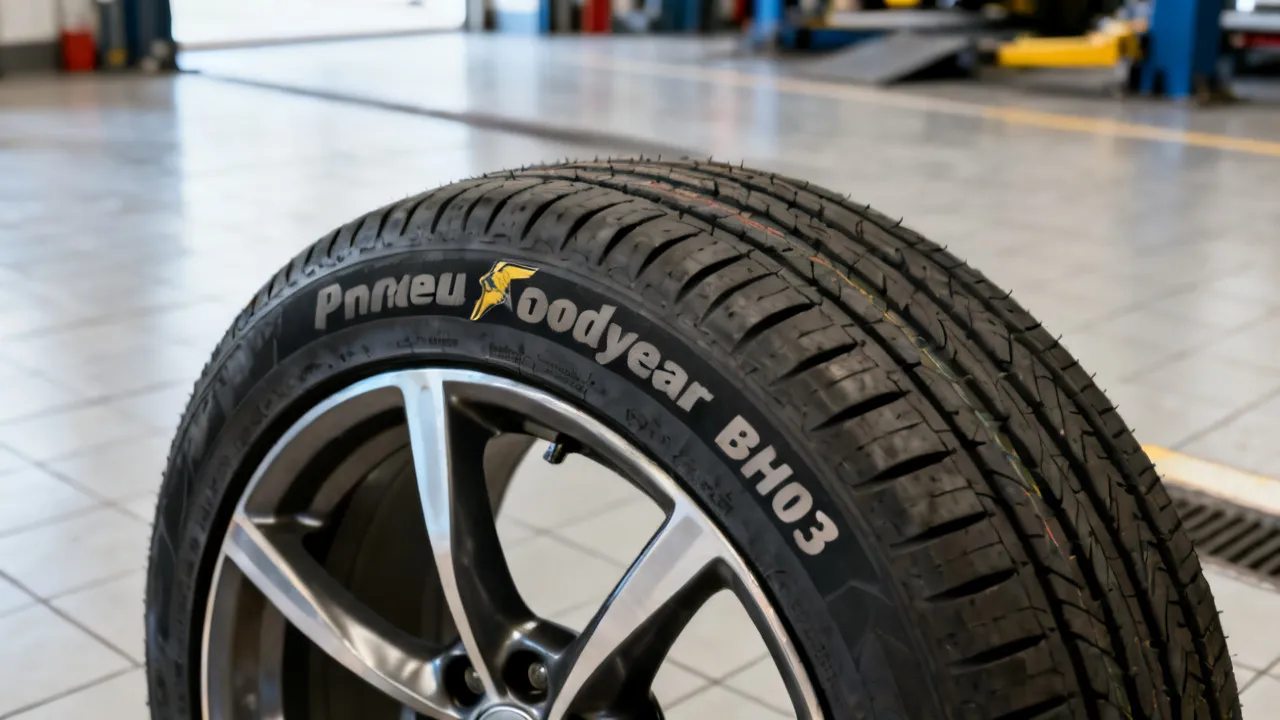
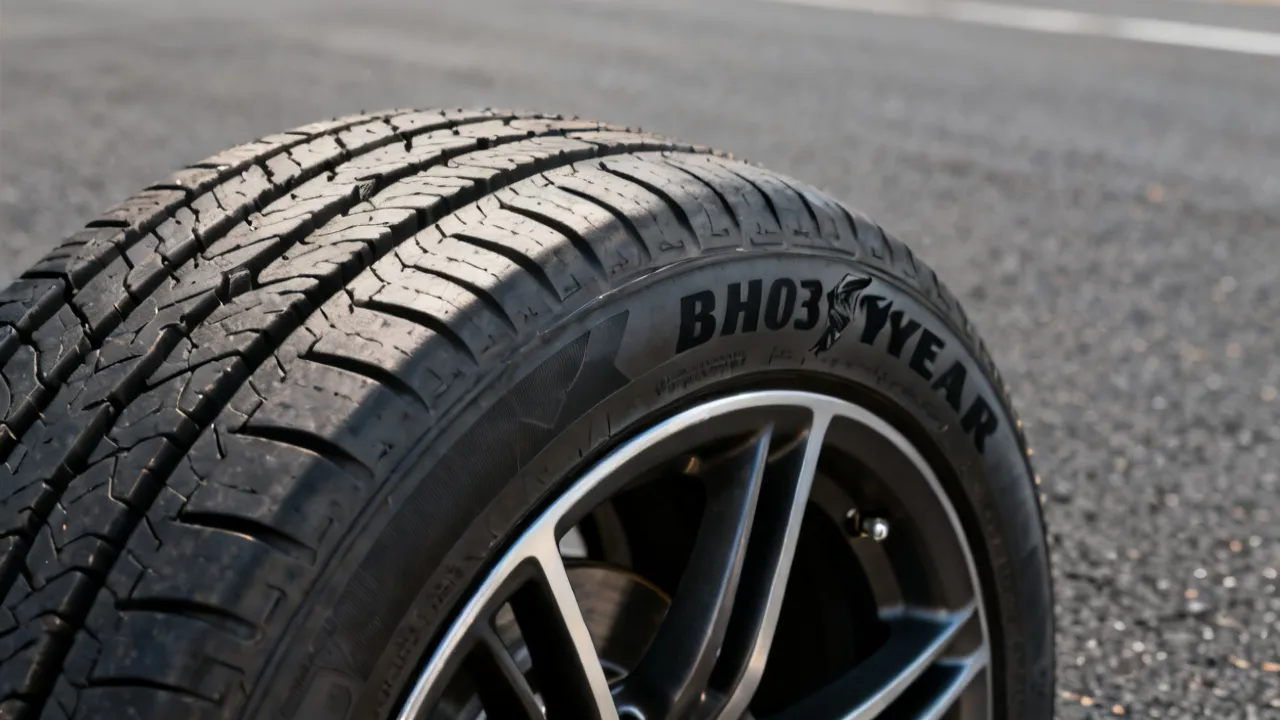
- The tire’s sidewall markings (the standardized lettering and numbers on the tire itself, not only the box label or online listing title).
If your current tires are already installed and appear to match the manufacturer’s placard, you still need to confirm load index and speed rating. People often copy the tire size (like 205/55 R16) and accidentally ignore that the new tire must meet or exceed the load and speed requirements too.
What “Pneu Goodyear Bh03” usually signals—without assuming the wrong specs
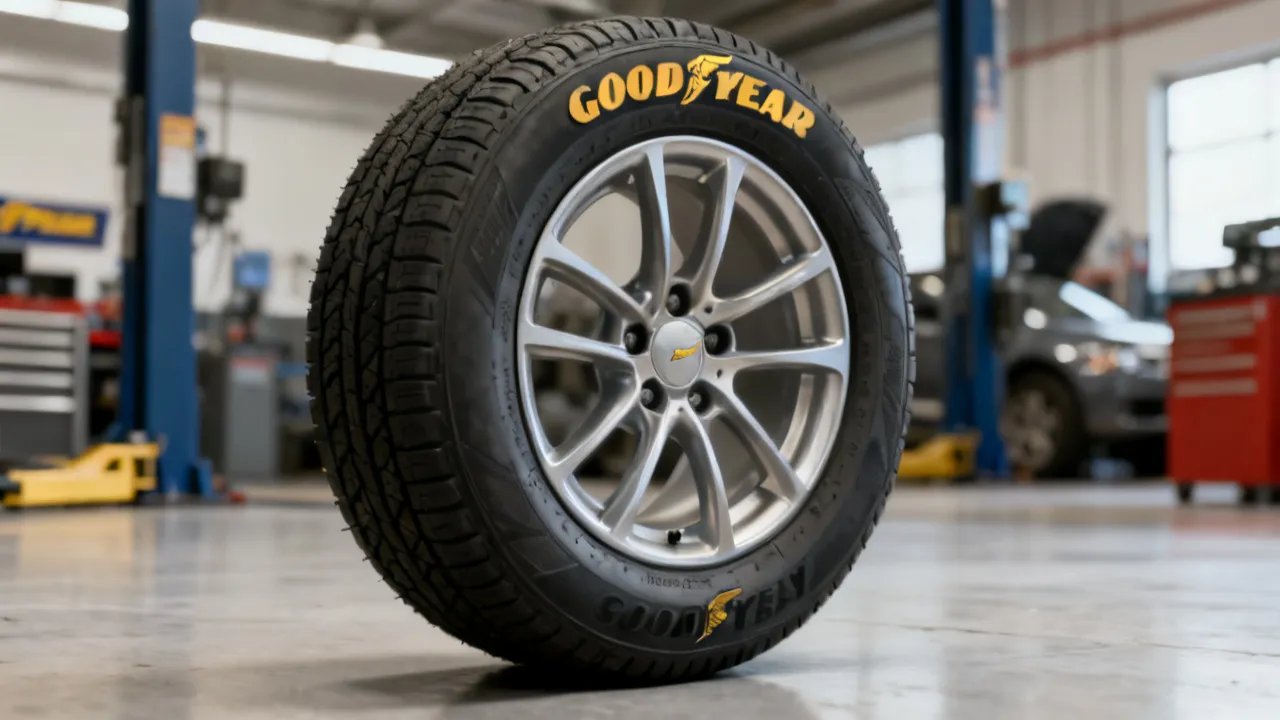
“Pneu Goodyear Bh03” typically refers to a Goodyear tire product line or configuration commonly used in certain markets. However, tire model references can vary by region, cataloging system, and fitment grouping. For that reason, treat “BH03” as a starting identifier, then validate the technical data on the tire itself or in the supplier’s catalog sheet.
In practice, the correct selection workflow is:
- Match tire size to your vehicle (e.g., width/aspect ratio/rim diameter).
- Confirm load index (how much weight each tire can carry at the rated pressure).
- Confirm speed symbol (maximum speed under the tire’s specified conditions).
- Choose the right construction type if relevant (e.g., passenger vs. light truck category).
- Evaluate tread suitability for your environment (wet grip, drainage, wear resistance, noise level).
This approach aligns with how tire engineers and vehicle manufacturers build safety margins and handling performance into their specifications, and it reduces the risk of buying “the right brand, wrong tire.”
Because model naming is sometimes inconsistent across catalogs, it helps to think in terms of “fitment by numbers” rather than “fitment by story.” A tire should always be chosen by its standardized size and ratings. The BH03 reference is helpful for identifying a product, but it should never be the only factor used to justify safety and suitability.
Additionally, many vehicles have special requirements for “rolling diameter,” “load carrying,” and “tire pressure monitoring system” compatibility. Even if your tire size appears identical, you may need to consider the correct type of tire (e.g., standard vs. reinforced), especially for vehicles that tow, carry heavy loads, or operate under frequent speed changes.
Why tread behavior and rubber compound matter more than marketing claims
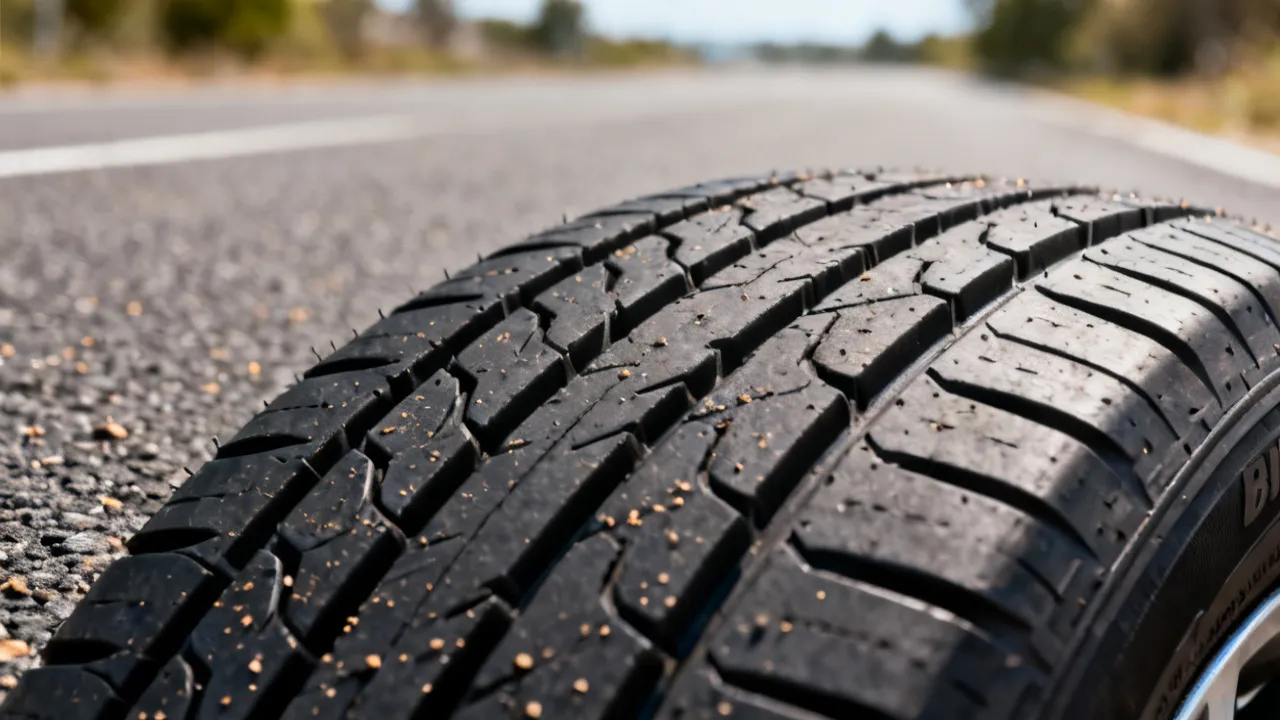
For Goodyear BH03 considerations, the tread’s geometry and the rubber compound strategy typically determine the very noticeable experiences: braking confidence on wet roads, steering response, resistance to uneven wear, and longevity. While exact compound formulations are proprietary, you can still assess the tire’s intended role by understanding common design trade-offs.
- Wet traction vs. longevity trade-off: Tires that prioritize wet grip often use tread features that may influence wear rate depending on alignment, pressure maintenance, and driving style.
- Noise comfort: Block stiffness and pattern pitch can affect road noise; this can be important for daily commuting.
- Uneven wear diagnostics: If your current tires show cupping, feathering, or inner/outer wear, the “top” tire may be the one paired with correct alignment and rotation intervals.
Instead of relying on broad promises, treat your current wear pattern and your driving route as the “specification brief.” A professional tire evaluation typically begins there.
To make this more practical, consider how different tread behaviors show up in real life:
- Water evacuation performance: If the tread uses grooves and sipes designed for channeling water, you may notice steadier braking and less “float” feel during rain, especially at higher corner entry speeds.
- Dry cornering stiffness: Tires that feel crisp in dry conditions might do so because of tread block design and compound behavior, but those same features can sometimes increase noise on coarse pavement.
- Wear uniformity: Tires will wear unevenly if pressure is off, if alignment angles are out of spec, or if the vehicle suspension geometry is not healthy (worn shocks, bushings, or ball joints).
What this means for Pneu Goodyear Bh03 is that you should evaluate it against your actual needs, not against a generic “performance” label. If you drive in heavy rain, you’ll care more about tread features that handle water. If you commute daily on highways, you’ll care about uniform wear and stability over temperature cycles. If you drive on mixed surfaces, you’ll care about grip consistency and the tire’s ability to resist chunking or irregular wear.
Supplier comparison: what to check for Pneu Goodyear BH03
When you compare suppliers for Pneu Goodyear Bh03, price matters, but the purchase quality is determined by documentation and practical reliability. The safest and very repeatable comparisons are based on verifiable details:
- Correct model/size confirmation: The supplier should clearly state the tire size and ratings exactly.
- DOT/production date transparency: Freshness matters for performance stability over time (rubber characteristics can shift during extended storage). Confirm the production date code.
- Warranty terms: Check what is covered and under what conditions (installation, rotation schedules, damage exclusions).
- Mounting and balancing support: Ask whether services are included and whether road force balancing is available.
- Return or exchange conditions: If you discover a mismatch after delivery, you want clear rules before paying.
- Packaging and storage quality: Proper storage helps avoid dry-rot risk and deformation in handling.
Even if you find a good price for Pneu Goodyear Bh03, the top value is the combination of correct fit + reputable handling + correct installation practices.
It also helps to evaluate the “paper trail” the supplier can provide. A trustworthy vendor can easily provide a product code, tire size details, warranty policy documents, and production date information. If they are vague about the DOT date, fail to specify load/speed ratings, or cannot provide warranty terms in a clear way, you’re taking a risk that might not be worth the saving.
One practical method: ask the supplier to confirm the exact sidewall spec on the tire they will deliver. You don’t necessarily need them to quote every detail, but you should insist on the size, load index, and speed symbol being explicitly stated in writing (invoice, product confirmation, or email).
Pricing considerations—how to interpret “price” responsibly
You will often encounter a price for Pneu Goodyear Bh03 that varies by size, stock availability, production batch, and whether the supplier offers installation, balancing, valve stems, or disposal fees. In tire retail, the lowest sticker price is not always the lowest total cost.
To compare fairly, look at:
- Total installed cost (parts + labor + disposal if applicable).
- Compliance with your requirements (load index, speed symbol, and correct size).
- Service quality (alignment recommendations if wear is present).
For reliability guidance on tire performance and safe use, you can also refer to standards and consumer safety resources from recognized bodies, such as the U.S. National Highway Traffic Safety Administration (NHTSA) regarding tire safety basics, and general tire information from major manufacturer publications.
When comparing numbers, don’t ignore whether the quote includes consumables. Common items include valve stems, tire pressure monitoring system (TPMS) components if required, weights and balancing materials, and disposal fees. These can make a cheaper “tire-only” deal become more expensive once all required items are added.
Another nuance: sometimes the lower price is tied to a less convenient delivery window, or the supplier may offer slower turnaround on warranty verification or replacement. If you’re trying to minimize downtime (e.g., for a daily commuter or work vehicle), that operational cost matters.
Installation, inflation, and alignment: the hidden factors behind wear
From an expert standpoint, tire performance isn’t only “built into the tire.” It is also “manufactured on the road” through installation and maintenance. For Pneu Goodyear BH03 (or any tire), follow these practical requirements:
- Inflate to the vehicle manufacturer’s recommended pressures, not the maximum sidewall pressure.
- Check for correct valve stem compatibility if you replace wheels or valves.
- Perform proper balancing; vibration can reduce comfort and accelerate wear.
- Rotate according to schedule to manage tread depth differences.
- Address alignment issues if your old tires showed uneven wear.
A common real-world pattern: buyers install a new tire, notice it “doesn’t match expectations,” and later discover the root cause was misalignment or incorrect pressure. That is why expert shops treat tire selection and vehicle setup as a combined task.
It’s helpful to explain why each of these factors matters:
- Correct inflation pressure: Underinflation typically increases sidewall flex and can raise heat, reducing tread life and worsening fuel economy. Overinflation can reduce contact patch area, increasing center wear and potentially reducing wet grip.
- Balancing and vibration: Even a small imbalance can create a persistent vibration that drivers feel in the steering wheel or seat. Beyond discomfort, it can lead to accelerated wear and disturbed handling characteristics.
- Alignment: Camber, toe, and caster affect how the tire tracks. Misalignment can cause inner or outer edge wear even if the tire is high quality.
- Rotation: Front and rear tires experience different loads and slip angles depending on drivetrain (front-wheel drive, rear-wheel drive, all-wheel drive) and whether the tire is directional or symmetrical. Rotating helps maintain uniform tread depth.
For Pneu Goodyear Bh03, the same logic applies: the tire’s design can be excellent, but if the vehicle setup is off, the tire may wear unevenly and feel inconsistent.
In addition, check whether your vehicle requires “special attention” due to suspension type or wheel size changes. For example, lowering springs, spacers, or aftermarket wheels can affect alignment outcomes and tire wear patterns. If you’ve recently changed wheels or suspension, treat tire selection as part of a full fitment verification process.
How to assess whether BH03 suits your driving conditions
Use Pneu Goodyear Bh03 as a candidate when your driving profile matches the tire’s intended category and tread behavior. Consider:
- Wet and rainy periods: Look for tread design that supports water evacuation. Your top evidence is often your region’s seasonal road conditions and how your current tires behave on wet surfaces.
- City driving: Frequent braking and turning can expose weaknesses in compound grip and can increase wear. Good inflation discipline and rotation are essential.
- Highway cruising: Stability and uniform wear matter; sustained speed plus correct load rating is critical.
- Mixed terrain: If roads vary significantly, consistent maintenance helps your tires perform as designed.
Because tire models differ across regions, the very objective method is to compare the tire’s size and ratings first, then evaluate tread behavior using consistent criteria like measured tread wear, wet braking confidence from reputable test programs, and user feedback interpreted through the lens of identical vehicle and maintenance practices.
Here is a more detailed approach to “match the tire to your life”:
- Climate and temperature: If you experience hot summers, heat resistance becomes important for tread life and stability. If you face cool temperatures, you may need a tread pattern and compound that remain flexible enough for safe grip. If your region sees winter conditions, you may need a dedicated winter tire category rather than a general summer/touring tire.
- Road surfaces: Rougher roads tend to increase noise and can lead to more irregular wear. Coarse asphalt can amplify tread pattern noise even if wet traction remains strong.
- Driving style: Hard acceleration and aggressive cornering increase slip and temperature in the tire. That can reduce longevity regardless of the tire model.
- Vehicle load: If you frequently carry passengers or luggage, load rating and proper pressure become even more critical. Under load, a tire must maintain its designed behavior.
Because BH03 is a reference that may correspond to different fitments across markets, always confirm that the tire you plan to buy is the one sized and rated for your vehicle and your driving conditions.
Industry context and reliable references (objective background)
Modern tire selection is strongly linked to safety and performance regulation. For objective background, reputable sources commonly emphasize:
- Tire pressure directly affects handling, wear, and fuel efficiency—which is why maintaining the manufacturer’s recommended settings is standard guidance.
- Tread depth influences water evacuation and braking distance, which is why consumer safety guidance includes tread wear monitoring.
- Correct load and speed ratings are essential because tires are engineered for specific maximums under defined conditions.
For safety fundamentals, consult official consumer and vehicle safety guidance such as NHTSA (U.S.) tire safety resources and related manufacturer educational materials. For technical interpretation of tread depth and wear indicators, these sources typically align with general standards used across markets.
To make this section more useful, here are common “objective background” concepts that you can apply during your choice of Pneu Goodyear Bh03:
- Load index is not optional: Even if you don’t drive at maximum vehicle weight, your tire should be capable of handling your real-world loads without unsafe heat buildup or structural stress.
- Speed rating matters for heat management: Higher sustained speeds can increase tread and internal temperatures. A tire designed for lower speed may degrade faster under repeated high-speed use.
- Tread wear is a safety parameter: As tires wear down, grooves become shallower and water evacuation decreases. This can lengthen braking distances in wet conditions.
Using these concepts helps you evaluate the tire’s suitability without relying on marketing slogans alone.
Comparison table, sourcing notes, and requirements (supplement section)
The following supplement translates “additional important information” into a practical decision framework you can apply before purchasing Pneu Goodyear BH03.
| Category | How to compare for Pneu Goodyear BH03 | Typical conditions/requirements |
|---|---|---|
| Fitment | Confirm the tire size and ratings match your vehicle’s placard or manual. | Load index and speed symbol must meet or exceed the vehicle requirements; construction type must align with your category. |
| Availability | Check whether suppliers can deliver the exact size and version you selected. | Ask for the sidewall markings and production date code before payment. |
| Price vs. installed cost | Compare total installed cost, not only the tire unit price. | Include balancing, mounting, valve stems (if replaced), and disposal fees. |
| Documentation | Request warranty terms and any official product documentation relevant to the model/size. | Keep invoices and installation records for warranty claims. |
| Installation quality | Ensure professional mounting and balancing are part of the purchase flow. | Rotation and inflation checks after installation are recommended for top outcomes. |
| Storage freshness | Prefer suppliers who can provide production date codes and demonstrate proper storage handling. | Avoid receiving long-stored or damaged tires; verify the date code. |
One extra sourcing note that can save time: if you buy online, confirm whether the supplier ships tires in a way that prevents deformation. Tires stored under proper conditions are less likely to arrive with cosmetic issues or shape distortion. While minor cosmetic blemishes are not always meaningful, you want to avoid receiving tires that appear neglected or improperly handled.
Step-by-step guide to buying and installing Pneu Goodyear BH03
- Locate your vehicle’s required tire specifications (sidewall placard, driver’s manual, or door-jamb label).
- Identify the exact BH03-compatible size and confirm load index and speed symbol.
- Ask the supplier to show sidewall markings and provide the production date code (DOT code).
- Compare total installed cost from at least two suppliers, including mounting/balancing and any required consumables.
- Choose installation with balancing and inspection (and request alignment only if wear indicates it).
- After installation, verify tire pressure according to the vehicle manufacturer’s recommendations.
- Plan rotation and monitoring to maintain uniform wear and predictable performance.
To make this even more reliable, consider adding two “quality-control moments” during installation:
- Check that the tires are installed in the correct orientation and position (front/rear; and left/right if the tire has directional tread or special asymmetry).
- Confirm that the shop performs a final pressure check with a calibrated gauge and that it meets the vehicle’s specified “cold pressure” guidance.
Also, after installation, drive carefully for a short period. New tires may require a brief bedding period for tread contact and stabilization. You may feel a normal “fresh tire” difference in grip and noise, especially during the first days.
If your vehicle uses TPMS, confirm that sensors are properly programmed or matched to the wheels (depending on your system type). Incorrect TPMS matching can cause ongoing warnings, and it can sometimes lead to pressure issues if the system is not reading accurately.
Conditions and requirements to prevent common problems
- Do not mix mismatched tires on the same axle if your vehicle’s safety guidance discourages it; follow manufacturer recommendations.
- Replace in matched sets when appropriate for consistent traction performance.
- Never exceed the vehicle’s approved size range based only on appearance or convenience.
- Address alignment if wear is uneven; otherwise, you may waste tread life on a correct tire with an incorrect setup.
In real life, “common problems” often arise from small missteps:
- Wrong tire pressure habits: Relying on a quick guess rather than measuring cold pressure with a gauge. Even if pressure is close, repeated variations can cause uneven wear.
- Skipping rotation: Many drivers assume tires wear evenly from the beginning, but without rotation, front tires often wear faster on front-wheel-drive vehicles.
- Ignoring suspension symptoms: If the ride is bouncy or the steering pulls, tires will not compensate for underlying problems. Alignment and tire life will keep suffering if shocks, alignment settings, or bushings are worn.
- Overreacting to temporary feelings: Sometimes new tires may feel slightly different in the first days. However, persistent vibration, pulling, or noise that seems abnormal should be investigated promptly.
When choosing Pneu Goodyear Bh03, the preventative approach is the same as any serious tire purchase: ensure fitment is correct, installation is done properly, and maintenance is consistent.
FAQs about Pneu Goodyear Bh03
1) What does “BH03” mean for Pneu Goodyear Bh03?
“BH03” is a product identification used in certain catalogs and regions. The practical meaning for you is confirmed only after you verify the exact size, load index, and speed category printed on the tire sidewall and in the supplier’s technical listing.
2) How do I check whether Pneu Goodyear Bh03 fits my vehicle?
Compare the required tire size on your vehicle placard/manual with the tire sidewall markings for the BH03 listing. Ensure the load index and speed symbol meet or exceed the vehicle’s requirements.
3) Is the “price” of Pneu Goodyear Bh03 enough to decide?
No. Compare total installed cost and verify the tire’s exact specs, production date, warranty terms, and installation quality (mounting and balancing). The top value comes from correct fit plus safe installation.
4) Does installation affect how Pneu Goodyear Bh03 performs?
Yes. Incorrect balancing, wrong inflation pressure, or unresolved alignment issues can significantly influence comfort, wear pattern, and traction feel. Proper installation helps your tires deliver the performance they are designed for.
5) How can I maximize tread life with Pneu Goodyear Bh03?
Maintain recommended pressure, rotate on schedule, keep alignment in spec, and drive smoothly (avoid harsh braking and unnecessary wheelspin). Also monitor tread depth and replace tires when they reach safe wear limits as guided by local regulations and safety top practices.
6) How often should I rotate tires?
Follow your vehicle manufacturer’s recommendation or a reputable tire-shop schedule. Many passenger vehicles benefit from rotation intervals that maintain even tread depth across positions, but the exact frequency depends on your drivetrain and tire type.
7) What should I do if I see uneven wear after installing Pneu Goodyear Bh03?
Stop ignoring it. Uneven wear often signals alignment problems, incorrect pressure, suspension issues, or an incorrect tire fitment. Have a professional inspect tread patterns and measure pressures; alignment checks are commonly warranted.
8) Should I replace all four tires at once if I choose Pneu Goodyear Bh03?
Often it’s safer to replace tires in sets (commonly front or rear depending on your drivetrain and traction needs). However, the “right” answer depends on your remaining tread depth, tire wear uniformity, vehicle type, and manufacturer guidance about mixing tires. If one tire is much newer than the others, traction differences can affect braking and stability, especially on wet or slippery surfaces.
9) How do I know if Pneu Goodyear Bh03 is the right tire category for my climate?
Check whether the tire is designed for the seasons and conditions in your region. If you face heavy snow and below-freezing temperatures consistently, you may need a dedicated winter tire category rather than an all-season or summer-focused tire. Always follow local safety guidance and read the tire’s sidewall information for usage intent.
10) What’s the best way to evaluate whether Pneu Goodyear Bh03 is performing well after installation?
After installation, monitor a few measurable indicators: steady steering without pulling, stable braking feel (especially on wet surfaces), consistent pressure readings over time, and even tread wear across the tire’s width. If you notice persistent vibration, unusual noise, or rapid pressure loss, stop and have the shop inspect the tires and installation.
Practical buying checklist for near-term decision making
Before you commit to Pneu Goodyear BH03, use this concise checklist:
- Exact tire size, load index, and speed symbol confirmed.
- Supplier provides production date code and clear warranty terms.
- Total installed cost compared across suppliers.
- Installation includes mounting and proper balancing.
- Post-install inflation verification plan is in place.
- Rotation and monitoring schedule is understood.
When these points are satisfied, the decision becomes far more objective—because the tire’s performance outcomes depend on correct fitment and setup as much as on tread design.
Closing perspective: the objective value of choosing correctly
Pneu Goodyear Bh03 can be a sensible option when it matches your vehicle’s approved tire specifications and your driving conditions. The very defensible path is to treat the BH03 reference as a starting point, validate the technical sidewall and ratings, compare suppliers using documentation and total installed cost, and ensure that installation and maintenance are performed with care. That combination is how you move from “shopping a tire” to “securing safe, predictable performance.”